Trump Tariffs on Mexico Force Cuba Oil Lifeline Choice: Sever Trade or Risk U.S. Sanctions
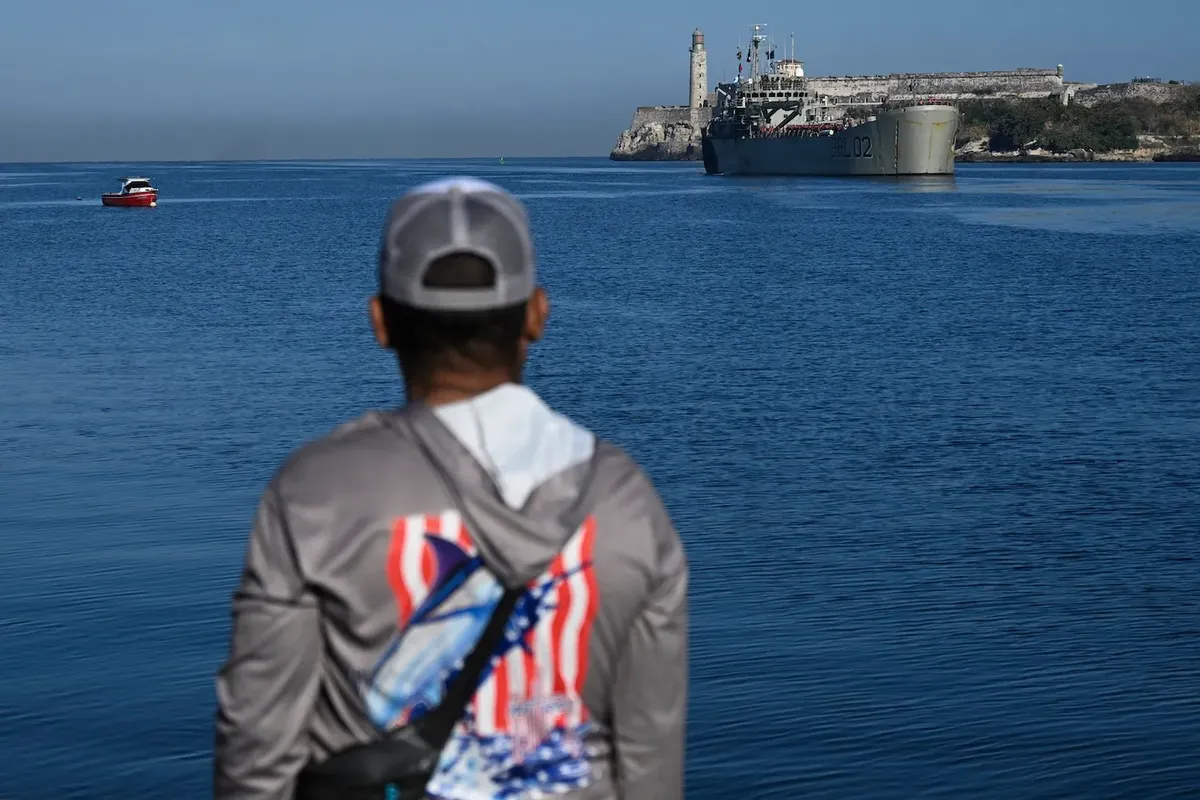
Mexico's choice between tariff pain and Cuba energy cutoff directly reshapes U.S. border security planning: if Mexico complies and Cuba's oil supply collapses, DHS and CBP must pre-position resources for a migration surge that could exceed 2015–2016 levels, forcing reallocation of detention, processing, and interdiction capacity away from other priorities.
If Mexico capitulates and reduces Cuba oil exports, Cuba's energy crisis deepens, potentially triggering economic collapse, mass migration to the U.S., and refugee flows through Central America — a humanitarian and border security problem for the incoming administration.
Conversely, if Mexico resists tariff pressure to maintain Cuba trade, it signals that Trump's tariff leverage on allied neighbors has limits, emboldening other regional actors (Venezuela, Nicaragua) to ignore U.S. sanctions regimes.
The real constraint is Mexico's economic tolerance: tariffs on automotive, agricultural, and energy exports will accumulate faster than any Cuba-related diplomatic win justifies, forcing Sheinbaum to choose between economic pain and geopolitical alignment. Defense and border agencies should monitor whether DHS/CBP begins contingency planning for Cuban migration surge.
The article does not specify: (1) current volume of Mexican oil to Cuba or what reduction the U.S. is seeking; (2) whether Trump administration officials have explicitly demanded Mexico cut Cuba oil, or whether this is implicit coercion via tariff threat; (3) Mexico's stated position on complying; (...
Fault Lines
Strategic intelligence, synthesized daily — with a public track record. Every call graded against what actually happened.