Pakistan Strikes Deepen Afghanistan Border Instability, Complicating U.S. Force Posture
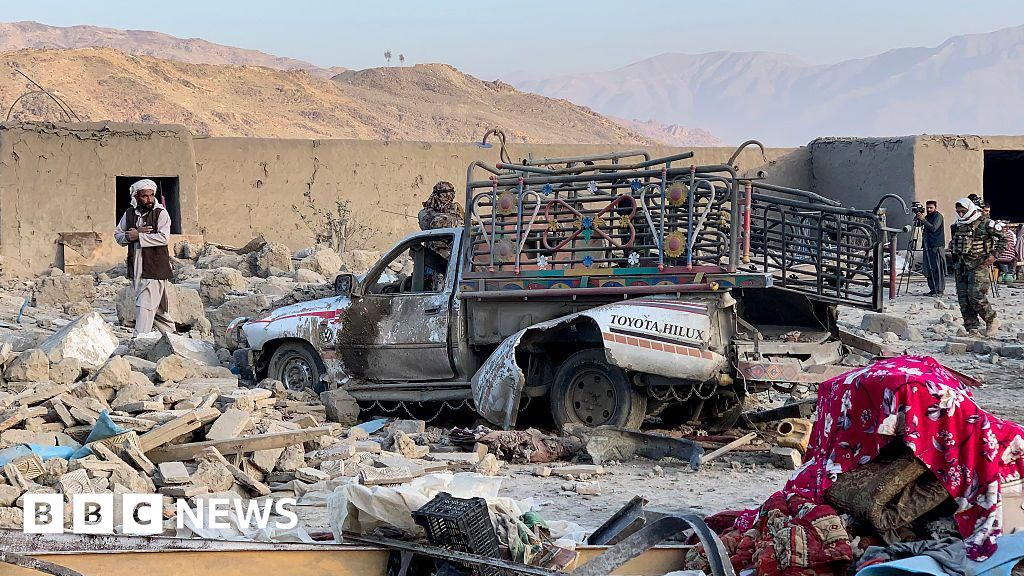
Pakistan's unilateral strikes without apparent U.S. coordination reduce American leverage over Pakistani military operations and create operational friction in a theater where U.S. counterterrorism relies on Pakistani airspace access and intelligence-sharing. If strikes escalate into a sustained cross-border campaign, U.S.
Central Command will face pressure to either endorse Pakistani actions (risking credibility with Afghan partners) or distance itself (weakening the Pakistan military relationship that underpins logistics for Afghanistan operations).
Cross-border strikes between Pakistan and Afghanistan destabilize the region during a period when U.S.
Central Command maintains counterterrorism presence in both countries and coordinates with Pakistani military on counterinsurgency.
If Pakistan's strikes target groups that also operate against U.S. interests (TTP, ISIS-K affiliated cells), the strikes may temporarily disrupt threat networks — but unilateral Pakistani action without U.S. coordination risks civilian casualties that fuel recruitment for anti-U.S. factions and complicate intelligence-sharing relationships.
The more immediate concern: escalation cycles between Islamabad and Kabul can force U.S. forces to choose between supporting an ally (Pakistan) and maintaining stability in a theater where U.S. counterterrorism operations depend on Afghan government cooperation.
Contractors supporting U.S. military logistics in Pakistan (DynCorp, Dyncorp International, L3Harris) face operational risk if cross-border tensions restrict movement or force base-level security posture changes.
The article does not identify which Pakistani military units conducted strikes, which Afghan targets were hit, estimated casualties, or whether U.S. forces were consulted beforehand.
Fault Lines
Strategic intelligence, synthesized daily — with a public track record. Every call graded against what actually happened.