AMD Ryzen AI desktop CPUs target business segment, signaling enterprise AI acceleration race
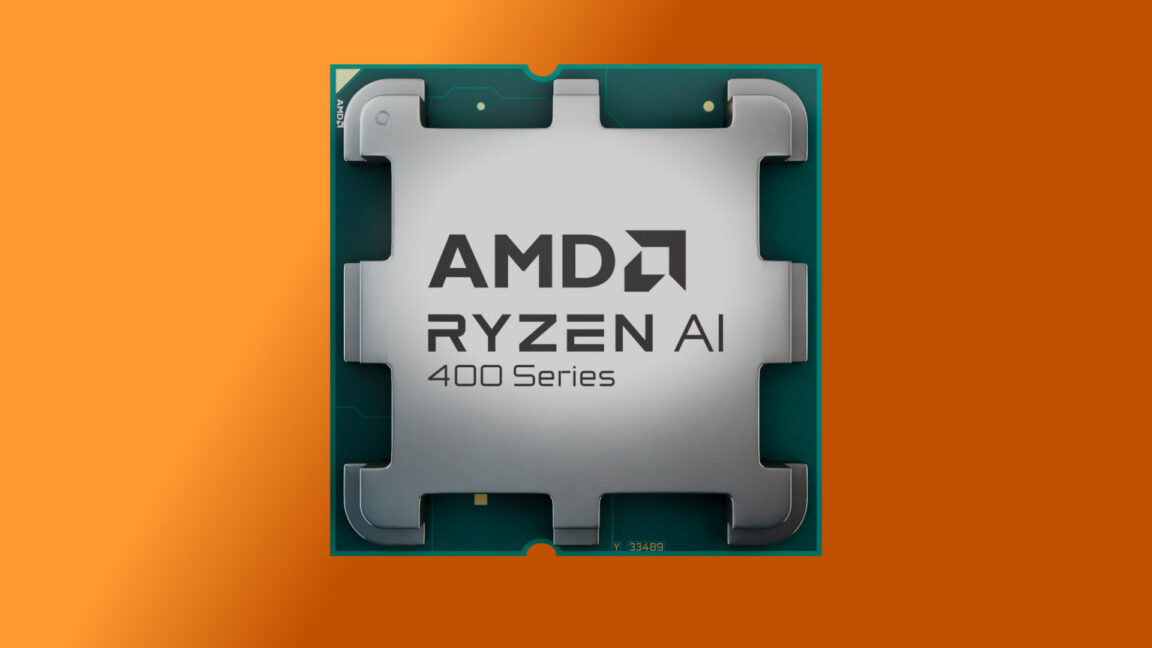
Desktop AI acceleration in business segments accelerates adoption of edge inference workloads, reducing reliance on cloud GPU services and shifting compute economics toward on-premises solutions.
If AMD captures material share of business desktop refresh cycles, it extends AMD's margins in the x86 market and competes directly with Intel's Xeon embedded AI strategy, which in turn affects capital allocation decisions at cloud providers (AWS, Azure, GCP) for their own on-premises appliance offerings.
This does not immediately affect defense procurement, but it shapes the competitive landscape for future DoD edge AI deployments, which typically source from commercial x86 platforms.
This marks AMD's first desktop push for integrated AI acceleration, following Intel's similar moves and signaling intensifying competition for enterprise AI workload capture.
Business desktops—used for data analysis, CAD, and edge inference tasks—represent a faster-growing segment than consumer gaming PCs. The timing matters: if AMD's desktop AI performance matches or exceeds Intel's Meteor Lake equivalents, AMD gains share in the installed base of corporate refresh cycles, which drives long-term software ecosystem lock-in.
The article does not specify performance metrics, pricing, or OEM adoption commitments, leaving unclear whether this is a competitive threat or a defensive move.
The article does not disclose which OEMs (Dell, HP, Lenovo) have committed to Ryzen AI 400 desktops, performance benchmarks vs. Intel equivalents, or pricing relative to competing business CPU lines.
Fault Lines
Strategic intelligence, synthesized daily — with a public track record. Every call graded against what actually happened.