Iran's Araghchi Frames US-Israeli Strikes as UN Charter Violation in Kyodo Op-Ed
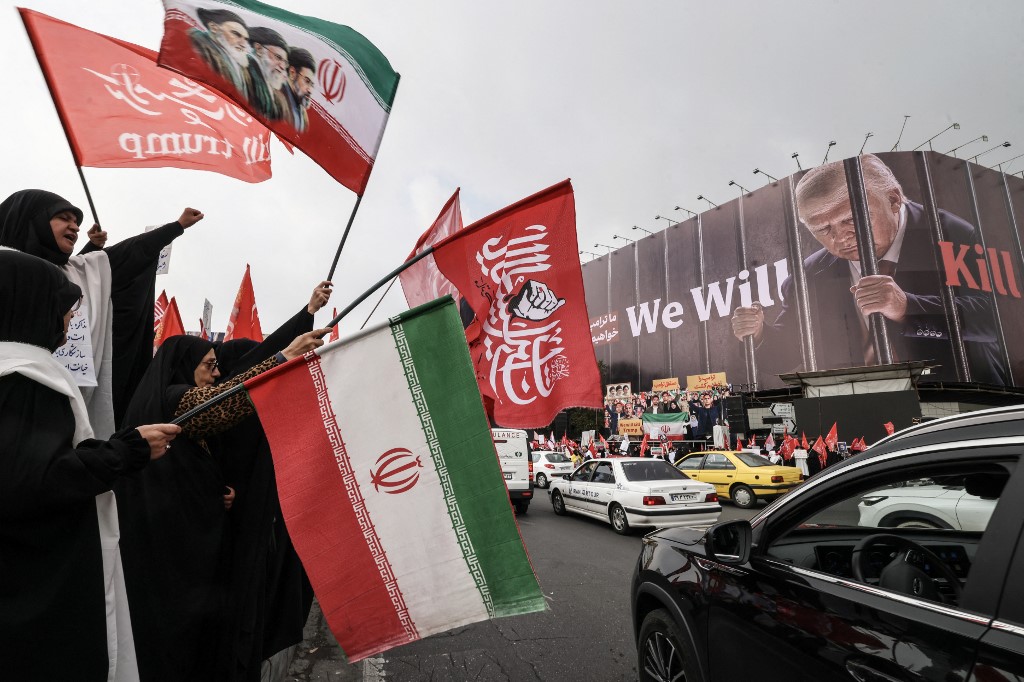
If Iran sustains this legal-forum strategy alongside continued IRGC operations, it creates a split-track problem for US allies in Asia and the Global South: condemning Iranian military escalation while also being asked to endorse strikes on IAEA-safeguarded facilities.
Japan, which hosts the op-ed and faces its own nuclear sensitivities, is the first test case — Tokyo's public response or silence to Araghchi's piece will signal how much diplomatic cover the US retains in the Indo-Pacific for the strikes. A Japanese government statement distancing itself from the strikes' legality, even in mild diplomatic language, would be the first crack in US alliance solidarity on this conflict.
Tehran is now routing its legal counter-narrative through Japanese media, a deliberate choice that targets an audience in a US treaty ally that has historically supported multilateral legal norms and has its own sensitivities around nuclear facility strikes.
Araghchi's framing — that the strikes set a precedent allowing any state to act on its own threat assessments — is aimed at non-Western and neutral capitals, not Washington or Brussels, where it will have no traction.
The op-ed's publication on November 13 follows the IRGC's claimed strike on a US radar in Bahrain and the Hormuz sea-mine incident, meaning Iran is simultaneously escalating militarily and building a diplomatic record for a future legal or political forum.
Which specific UN member states or international legal bodies has Iran formally approached to pursue a UN Charter violation complaint, and has Iran submitted any documentation to the IAEA regarding the safeguarded facilities it claims were struck?
Fault Lines
Strategic intelligence, synthesized daily — with a public track record. Every call graded against what actually happened.