Pentagon Munitions Deficit Persists Despite $1.5T Budget; Iran War Outpaces Replenishment Timeline
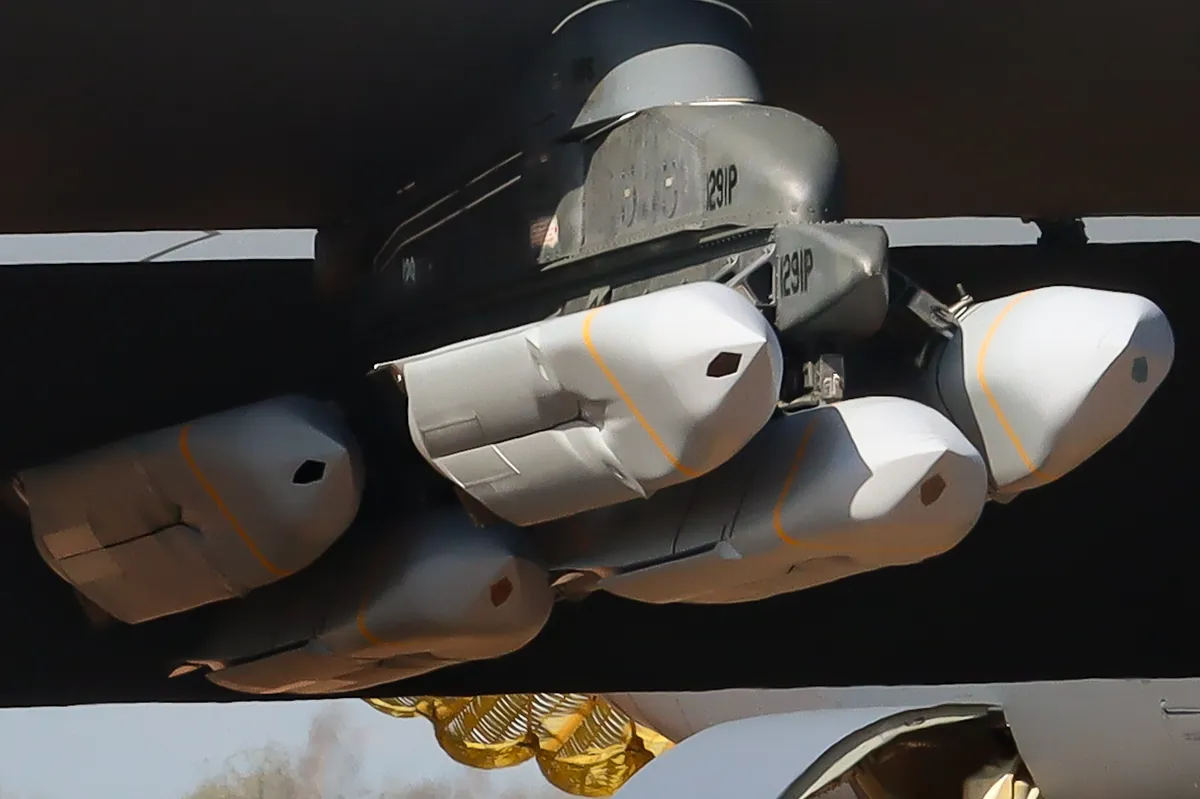
The munitions deficit forces a choice between sustaining the Hormuz blockade and maintaining the strategic reserve posture for China contingencies.
If replenishment takes years (as the headline states), then every month of sustained Iran operations reduces the margin of available inventory for a Taiwan scenario, directly degrading the Indo-Pacific deterrent posture that Japan, Australia, and South Korea are now hedging against with indigenous programs (Japan's frigate deal with Australia, Germany's rearmament).
The $1.5T budget cannot solve this in real time — procurement lead times on major systems are 3-5 years.
This exposes a hard constraint on sustained operations.
The $1.5T budget is already baked into the FYDP and Congress has appropriated it — Trump's April 21 request is the formal baseline. If the Iran campaign continues at current burn rates, either procurement timelines slip (pushing Lot buys into FY28-29) or the building raids other programs. Raytheon, Northrop, and General Dynamics all have air-launched and ship-launched missile production lines running at capacity.
A replenishment crunch forces prioritization: either the Hormuz blockade continues at reduced intensity, or other theaters (Indo-Pacific, Europe) see delayed deliveries. This also validates the Singapore FM's April 22 warning that Hormuz is a dry run — if the U.S. can't sustain munitions depth in a contained regional conflict, the strategic depth assumption for a Pacific scenario collapses.
Which munitions classes are most depleted — cruise missiles, air-to-surface, anti-ship, or air defense? The article doesn't decompose the shortfall.
Fault Lines
Strategic intelligence, synthesized daily — with a public track record. Every call graded against what actually happened.