Thales Canada Wins Sonar Contract for Royal Canadian Navy River-Class Destroyers
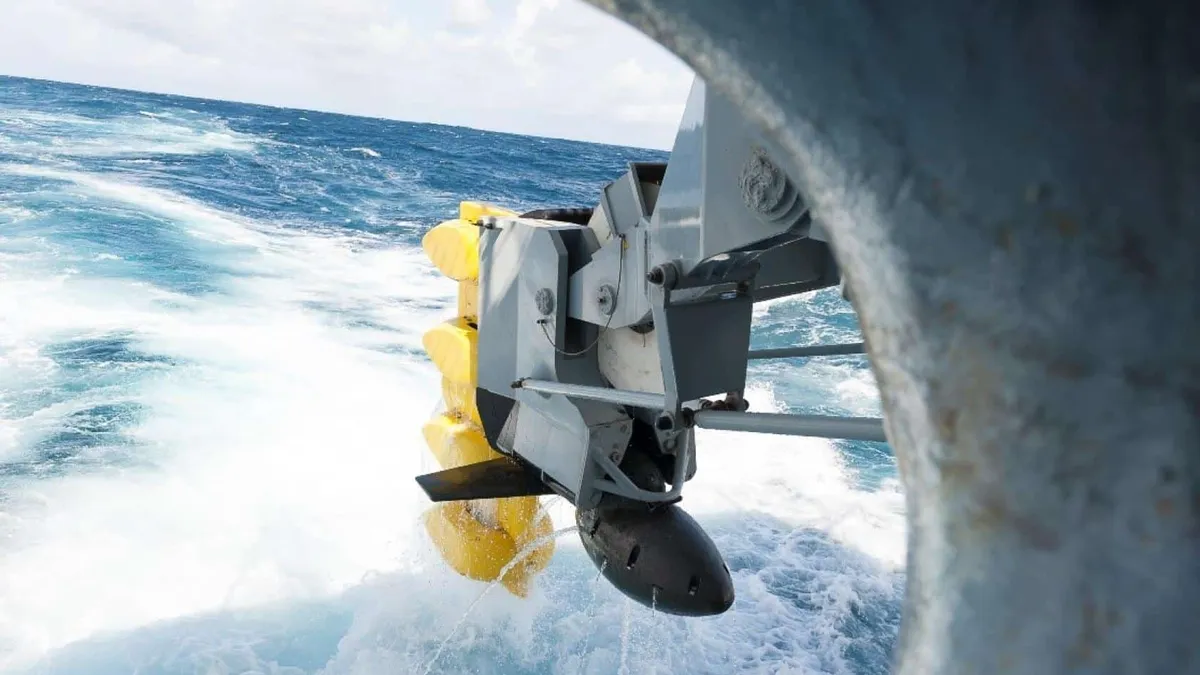
The sonar selection is incremental — CAPTAS-4 is proven NATO kit. The real constraint is integration timeline. If Lockheed Martin's River-class build schedule slips (it has before), the sonar contract becomes a secondary concern. More tactically: Thales now has a 15+ year revenue stream from Canadian maintenance contracts, which anchors Thales' position in NATO's Atlantic submarine-hunting posture.
If the UK or Poland later pursue similar sonar upgrades, Thales' Canadian footprint becomes a reference customer for pricing leverage.
This locks Thales into Canada's destroyer modernization timeline, but the signal is primarily about industrial persistence rather than strategic shift.
Lockheed Martin Canada's role as prime integrator for the River-class means the sonar contract flows through a US-controlled entity, which constrains future Canadian autonomy in sensor architecture decisions — a pattern that will resurface if Canada attempts independent upgrades post-delivery.
Watch whether the contract includes sustainment clauses that tie Canada to Thales for 25+ years of maintenance, which would create dependency on French industrial capacity during a period when allied submarine warfare capabilities are tightening.
Does the contract include technology transfer or Canadian production of replacement components, or is Canada locked into Thales supply-chain dependency for the vessel's operational life?
Fault Lines
Strategic intelligence, synthesized daily — with a public track record. Every call graded against what actually happened.