Nordic-Baltic EUR 12.5B Defense Package Locks in 2026 Ukraine Supply Commitments
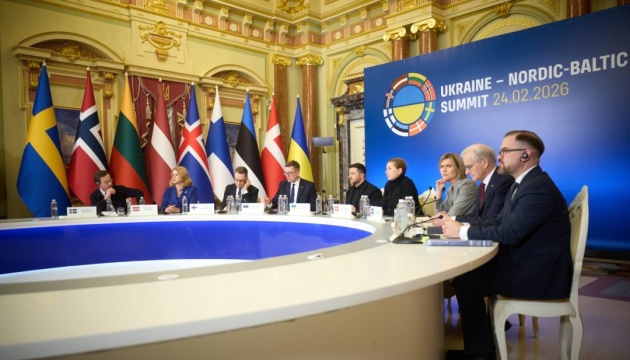
If the EUR 12.5B flows to new production rather than inventory transfers, European defense primes must accelerate hiring, supply chain qualification, and factory floor expansion in 2026—creating a 12-18 month window where capacity constraints become a binding variable in NATO's ability to sustain Ukraine and meet Article 5 commitments simultaneously.
Conversely, if this is inventory drawdown, it frees up EU/NATO cash for domestic modernization but signals that Nordic-Baltic governments have exhausted near-term surplus stocks, forcing a harder conversation about production capacity investment at the March 2026 NATO ministerial.
This commitment locks in multi-billion-euro procurement demand for the next 12 months, benefiting European defense primes (Rheinmetall, Kongsberg, Saab, Thales) and U.S. contractors with European production or partnership arrangements (Lockheed Martin, Raytheon).
The scale (EUR 12.5B) is material relative to annual defense budgets in Denmark, Sweden, Norway, and the Baltics individually, suggesting either pooled financing or a multi-year pledge front-loaded into 2026 accounting. The critical unknown: whether this money flows to existing inventory drawdowns (faster but limited supply) or new-production contracts (slower but signals sustained demand).
If new production, it forces European defense industrial capacity planning forward 18-24 months. If inventory, it pressures NATO replenishment timelines and may delay other allied commitments.
The article does not specify: (1) which countries are contributing and in what proportions; (2) whether funds are for new production, inventory transfers, or both; (3) which defense systems or munitions are prioritized; (4) whether this is a 2026-only commitment or a multi-year pledge; (5) how this...
Fault Lines
Strategic intelligence, synthesized daily — with a public track record. Every call graded against what actually happened.