Hormuz Blockade Drives South Asian Fuel Costs Up; Energy Shock Spreads Beyond Gulf
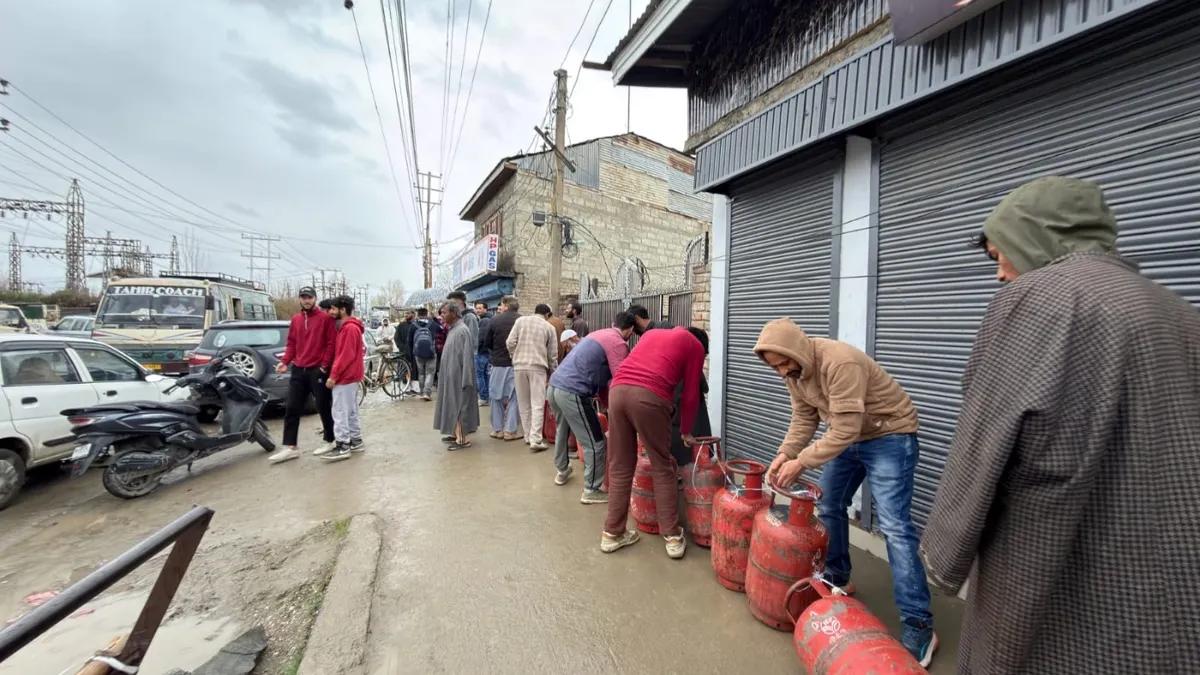
Energy inflation in South Asia creates fiscal pressure on India and Pakistan precisely when both nations are managing China border tensions and Afghanistan instability — budget reallocation from defense modernization into fuel subsidies delays military procurement and stretches sustainment cycles.
For U.S. defense investors, this reduces near-term demand for military equipment imports from South Asian allies and increases their dependence on Russian and Chinese energy suppliers, shifting geopolitical alignment incentives away from Western partnerships.
South Asia imports 60-80% of its crude oil via Hormuz; a sustained blockade forces these five nations into competing for alternative suppliers (Russia, Iraq, Saudi Arabia) at premium prices, compressing government budgets and triggering inflation.
India and Pakistan face immediate fiscal pressure — fuel subsidies or price pass-through will destabilize their already-fragile cost-of-living politics. This is not a temporary shock: the blockade persists as long as the Iran conflict does (per prior signals, 28 strike waves and counting as of March 11).
Energy-dependent manufacturers (cement, steel, fertilizer) in these nations will see margin compression, potentially triggering industrial slowdowns or export price increases that ripple into global supply chains for non-defense goods — but defense procurement timelines and defense industrial base resilience in South Asia are not addressed by this article.
The article does not quantify the price increase in any currency, specify which fuel types (crude, refined products, LNG), or provide baseline consumption figures for any of the five nations.
Fault Lines
Strategic intelligence, synthesized daily — with a public track record. Every call graded against what actually happened.