Iran's Two Largest Steel Plants Shut; Production Loss Compounds Economic Attrition
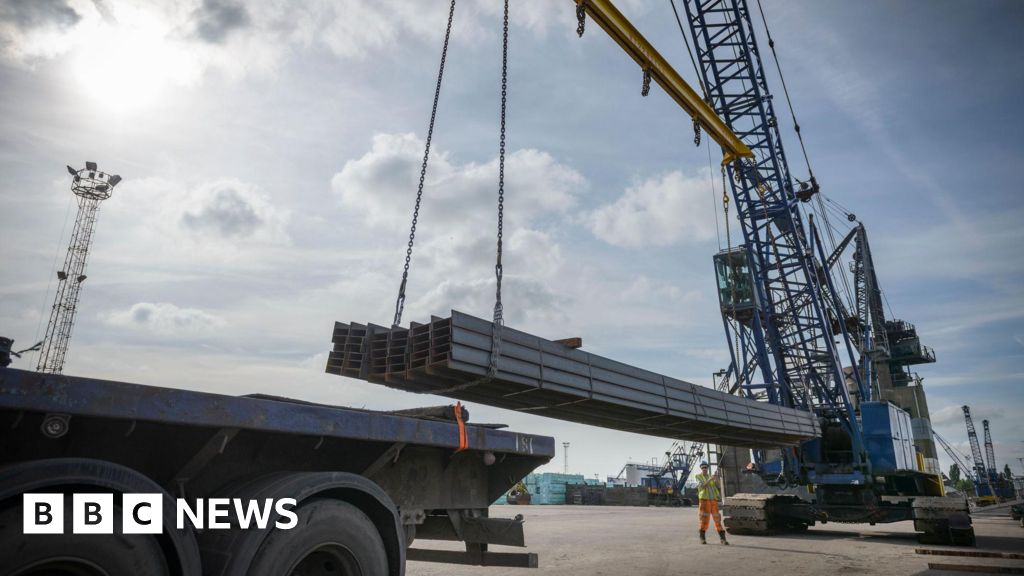
Steel plant shutdown compounds the Hormuz blockade (95% traffic collapse, UN forecasting 2.6% global GDP contraction) by cutting Iran's domestic industrial base while import routes remain severed.
This forces Iran to choose between currency reserves (needed for military procurement and regime stability) and civilian manufacturing, tightening the economic vice that Trump has explicitly stated will remain open for 2-3 more weeks.
If Iran cannot restart mills or import replacement material, defense contractors dependent on domestic steel will face supply constraints that could degrade IRGC logistics by mid-Q2 2026.
Steel plant closures extend the economic damage from the 33-day campaign beyond energy (Hormuz transit down 95%) into manufacturing capacity.
Iran cannot quickly restart integrated steel mills; the combined production loss will constrain domestic construction, vehicle, and defense-industrial output for months. This signals the campaign is deliberately targeting Iran's ability to sustain conflict and economic recovery, not just immediate military capability.
If both plants remain offline through Q3 2026, Iran will face hard choices between importing steel (hard currency drain) or rationing to defense-critical sectors, narrowing non-military spending further.
The article does not specify which two plants, their combined annual capacity, current stockpile levels, or whether damage is repairable within weeks or requires months of reconstruction.
Fault Lines
Strategic intelligence, synthesized daily — with a public track record. Every call graded against what actually happened.