IS-Sahel Executes Coordinated Drone-Mortar Attack on Niger Capital Airport
The successful use of armed drones by a non-state actor in the Sahel creates immediate procurement pressure on France (which operates Reaper and Mirage platforms in the region) and the U.S. (which provides ISR and counterterrorism support) to field counter-UAS and point air defense systems faster than planned.
This compresses the timeline for fielding systems like the Avenger or CRAM variants in West African partner nations, which in turn delays procurement cycles for other regional priorities and creates a window for European air defense vendors (MBDA, Thales) to compete against U.S. platforms for limited defense budgets in Niger, Burkina Faso, and Mali.
The deployment of armed drones by IS-Sahel signals a tactical maturation beyond small-arms insurgency.
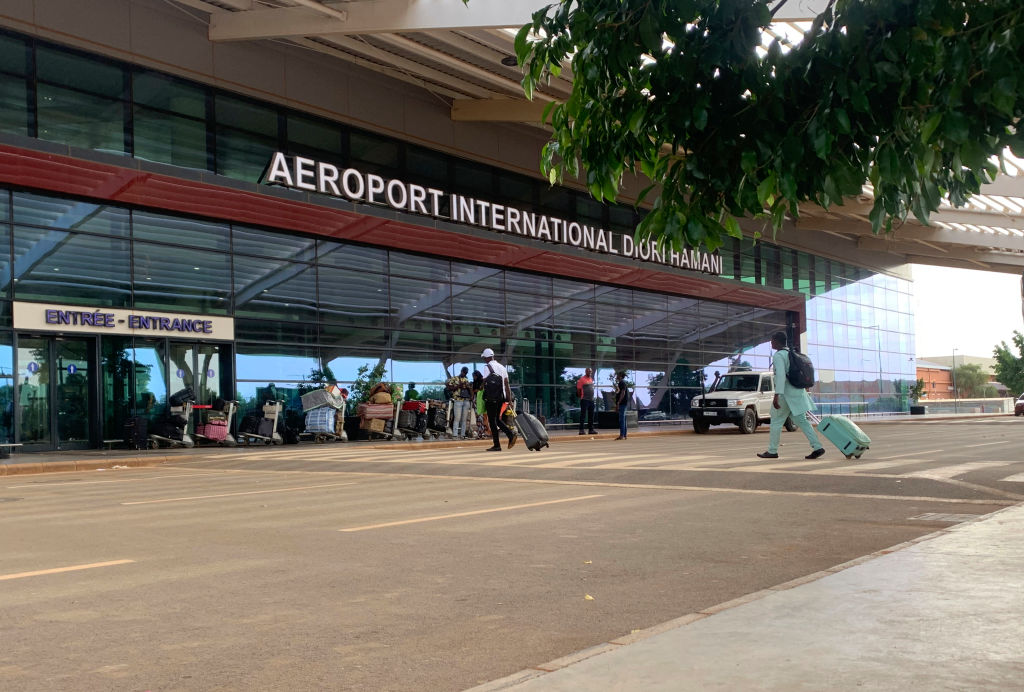
Dori Hamani serves Niger's capital and hosts both civilian and military air operations; a successful strike on airport infrastructure would degrade state air mobility and create a vacuum for further terrorist operations.
This capability gap — where non-state actors now field aerial assets — forces defense procurement decisions in Sahel nations and their Western partners toward air defense systems (short-range AD, counter-UAS) and ISR platforms to detect drone assembly or launch sites.
France, the U.S., and regional allies will likely accelerate air defense modernization and drone interdiction capabilities in Mali, Burkina Faso, and Niger, but the speed of that response determines whether IS-Sahel consolidates this advantage.
The article does not specify whether the drones were domestically assembled, imported, or captured; the origin of the systems determines whether the threat is localized to the Sahel or reflects a broader supply chain compromise.
Fault Lines
Strategic intelligence, synthesized daily — with a public track record. Every call graded against what actually happened.