UK Orders 23 AW149 Helicopters, Ending Medium-Lift Competition
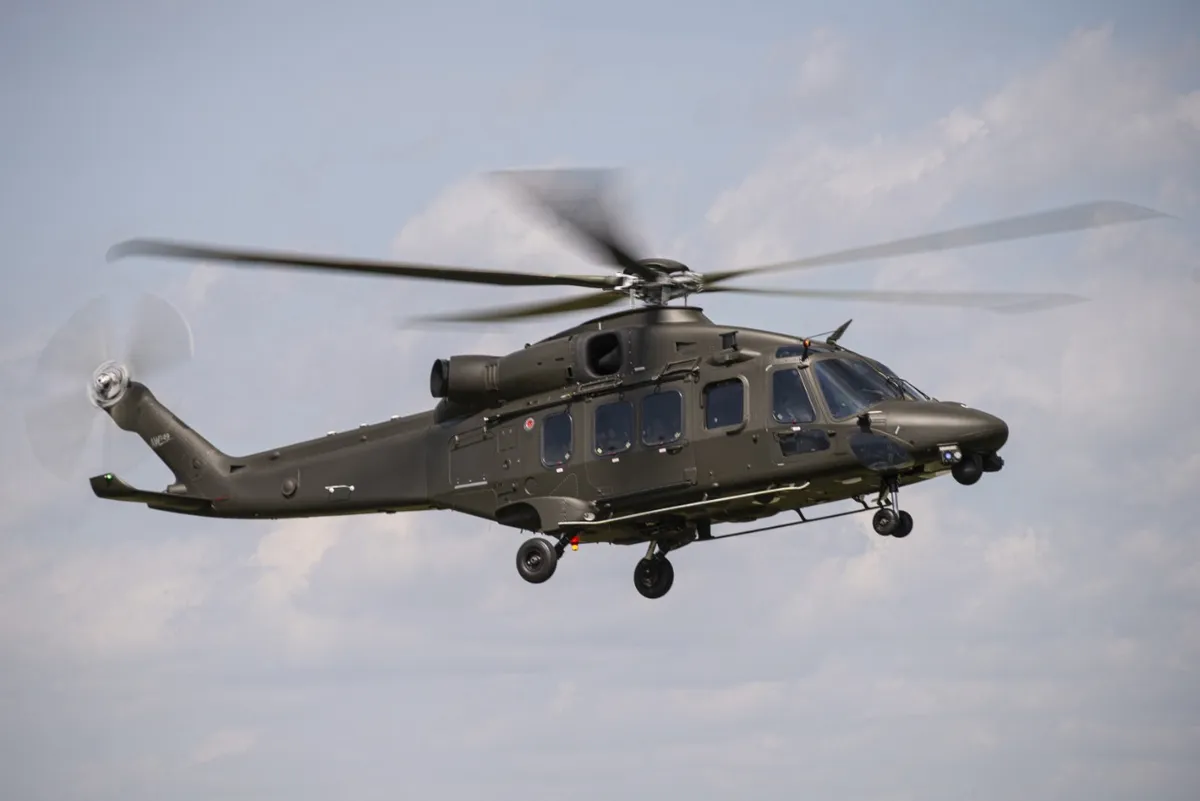
Leonardo's AW149 selection as the UK medium-lift standard strengthens the company's position in allied rotorcraft procurement and creates a reference platform for NATO interoperability discussions, but only if the UK publishes technical specifications and export criteria.
If the AW149 becomes the de facto NATO medium-lift standard (alongside existing Puma and Chinook fleets), it opens export pathways to other allied nations evaluating medium-lift modernization, expanding Leonardo's addressable market beyond the initial 23-unit UK order.
Conversely, if the AW149 remains UK-only due to cost or capability gaps, the decision signals Leonardo's rotorcraft portfolio is now bifurcated between high-end (AW101 heavy-lift) and medium-lift segments, with limited cross-platform economies of scale.
This ends a multi-year procurement competition and locks Leonardo into a major UK platform modernization.
For Leonardo, it secures a high-value domestic contract and establishes the AW149 as the allied medium-lift standard alongside existing UK rotorcraft fleets. For competitors (Airbus Helicopters H145M, Sikorsky UH-60M), it closes the UK market for this segment.
The 23-aircraft figure suggests replacement of aging Puma and Chinook medium-lift gaps, but the article does not specify which platforms are being retired or the total programme cost, limiting visibility into Leonardo's margin profile and UK defence spending reallocation.
What is the contract value? What is the delivery schedule and in-service date? Which existing helicopter platforms are being replaced or supplemented? Are there options for additional tranches beyond 23? Will the AW149 be co-produced or modified for UK-specific capabilities?
Fault Lines
Strategic intelligence, synthesized daily — with a public track record. Every call graded against what actually happened.