Israeli strikes kill 31 in Lebanon after Hezbollah rocket fire; casualty asymmetry widens
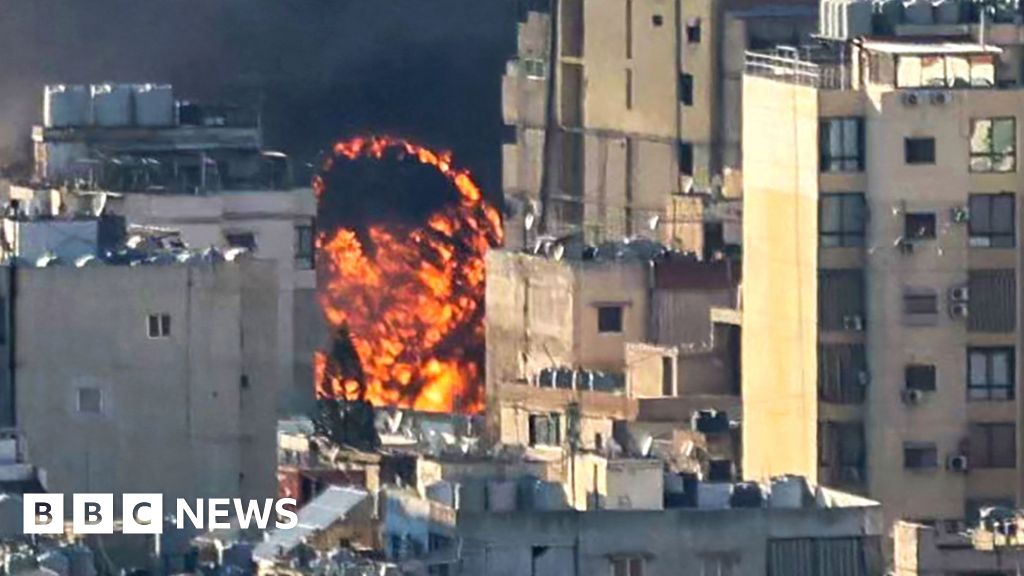
If this escalates into sustained Israeli air operations against Lebanese targets, it will drive near-term demand for Iron Dome interceptor restocking (Raytheon/RTX) and could accelerate allied air defense modernization in the Eastern Mediterranean — Greece, Cyprus, and potentially Jordan would face pressure to upgrade systems to manage spillover risk.
Conversely, if it remains a single-incident response cycle, the impact is localized to Israeli munitions consumption and Hezbollah's operational readiness, without cascading into allied procurement timelines.
This is an active escalation in the Israel-Hezbollah cycle, but a single strike event does not yet signal structural change in the conflict.
The casualty asymmetry (31 Lebanese vs. zero Israeli) reflects Israel's air superiority and defensive systems, not a new capability. What matters for defense investors and planners: whether this escalates into sustained cross-border campaign (which would activate air defense procurement, Iron Dome restocking, and regional allied positioning) or remains a tit-for-tat exchange. Current evidence supports the latter.
Monitor whether Hezbollah retaliates in scale or Israel expands targeting beyond immediate response.
The article omits: Hezbollah's casualty toll (if any), number and type of rockets fired, specific targets struck in Lebanon, whether Israel used air or ground strikes, and whether Iran or other state actors are directly involved in the escalation or response.
Fault Lines
Strategic intelligence, synthesized daily — with a public track record. Every call graded against what actually happened.