Zelensky Enlists Ghana to Counter Russian Recruitment of African Fighters
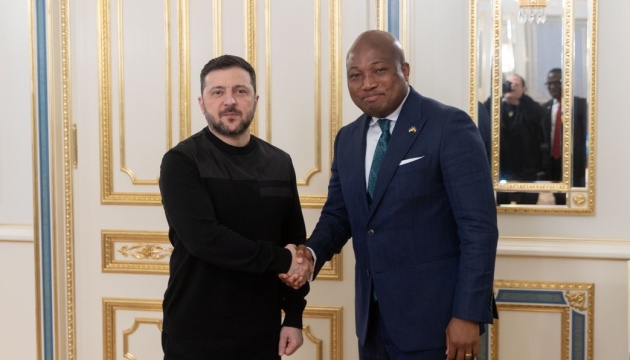
African recruitment sustains Russian force rotation and reduces pressure on Moscow's domestic mobilization ceiling; Ukraine's diplomatic effort to close this valve is a manpower-constraint signal.
If Ghana and other West African states tighten visa controls and criminalize recruitment, Russia loses access to an estimated thousands-per-year labor pool, forcing earlier rotation of exhausted units or acceleration of domestic conscription—either outcome increases Russian force fatigue and extends Ukrainian defensive holding capacity.
This is a low-cost geopolitical lever (diplomatic engagement, not military aid) that Ukraine is pulling because it cannot afford to replace manpower losses at the current rate.
Russia's use of African recruits—estimated at several thousand across Wagner and regular forces since 2022—extends Moscow's manpower pool and reduces domestic conscription pressure while fragmenting African state alignment on the conflict.
Ukraine's pivot to diplomatic counter-recruitment (rather than military response) signals resource constraints and a shift toward indirect competition for African support. If successful, Ghana's cooperation could establish a template for other West African states to restrict recruitment and visa issuance, degrading Russia's access to a key labor source.
The outcome depends on Ghana's enforcement capacity and whether other African governments follow, neither of which this article addresses.
What specific counter-recruitment mechanisms did Ukraine and Ghana agree to (visa restrictions, public awareness campaigns, law enforcement coordination)? How many Ghanaian citizens are currently fighting for Russia? Are other African states being approached with similar proposals?
Fault Lines
Strategic intelligence, synthesized daily — with a public track record. Every call graded against what actually happened.