Indonesia targets October delivery of ex-Italian carrier Garibaldi; contract still unsigned
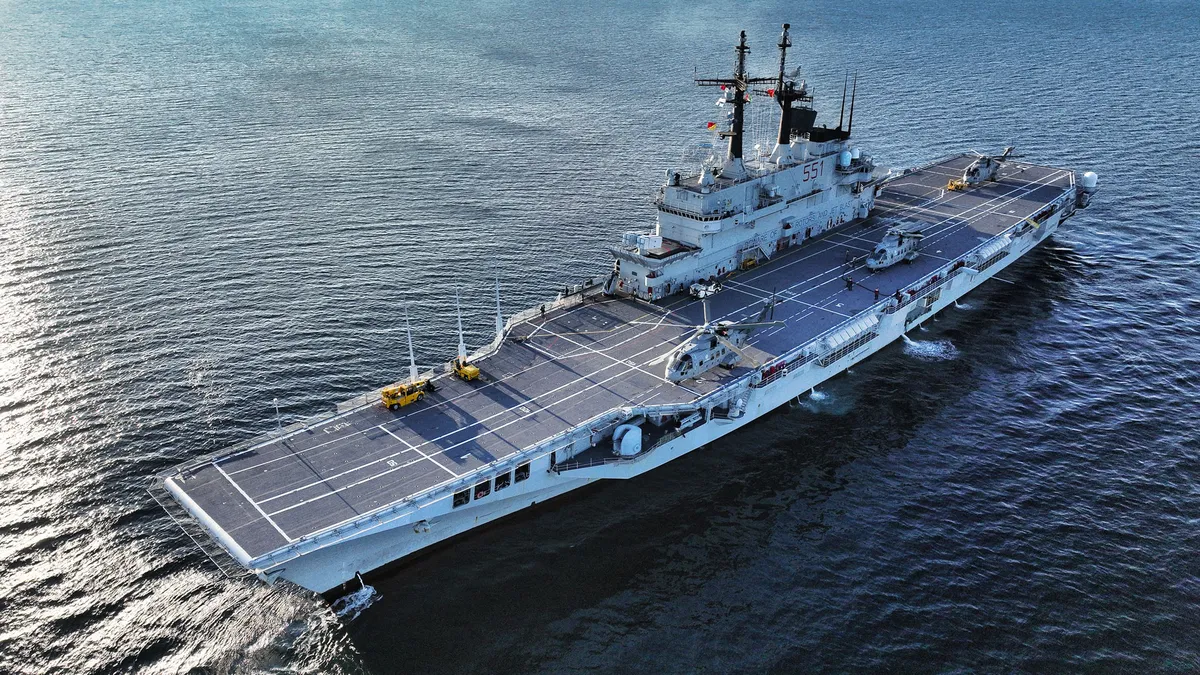
Power Projection: Carrier acquisition directly expands Indonesian force projection range and signals intent to contest regional waters. Market Forces: The deal's financing structure and any offset requirements (technology transfer, local production) would shape defense industrial participation in Southeast Asia.
Geopolitical Friction: Acquisition timing and capability deployment affect U.S.-China competition for influence in the Indo-Pacific and Indonesia's strategic autonomy posture. The lack of a signed contract suggests either negotiation friction or budget uncertainty, which could delay or kill the transaction—a meaningful signal about Jakarta's actual defense spending commitment versus stated ambitions.
Indonesia's acquisition of a fixed-wing carrier would represent the largest naval platform in Southeast Asia and signal a shift toward power projection capability in the Indo-Pacific.
However, the absence of a signed contract eight months before the stated delivery date raises execution risk. The carrier's operational readiness, integration with Indonesian systems, and crew training timelines remain unclear.
If delivered, this forces regional competitors (Vietnam, Philippines, Thailand) to reassess naval balance; if delayed or cancelled, it suggests either budget constraints or political hesitation within Jakarta's defense establishment.
The article does not disclose: the purchase price or financing structure; the carrier's current condition and required refurbishment scope; whether Indonesia has committed to specific weapons systems or air wing composition; or the source and verification status of the October 5 deadline (whether it...
Fault Lines
Strategic intelligence, synthesized daily — with a public track record. Every call graded against what actually happened.