Ukraine Completes 6km Tunnel Under Donetsk Drone Kill Zone for Troop and Supply Movement
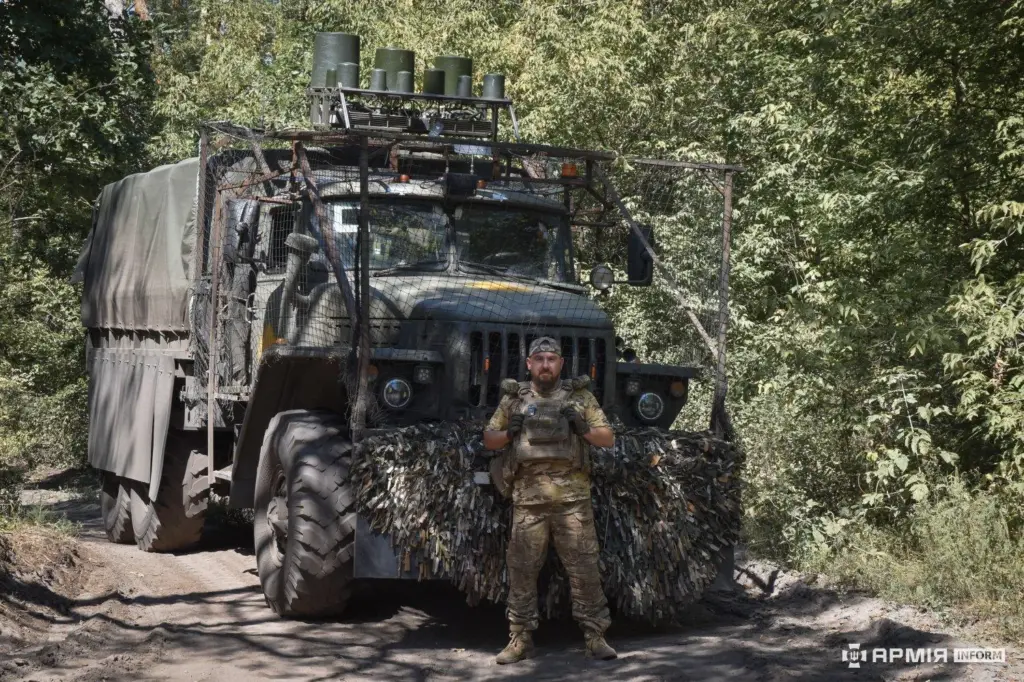
The tunnel is not a tactical surprise — both sides have been burrowing for months. What shifts is scale: six kilometers of engineered passage represents industrial-scale excavation, not ad hoc shelter. Russia's air dominance has forced Ukraine to trade speed for survivability, accepting that moving supplies or casualties above ground now requires air cover Ukraine doesn't have.
The second-order effect lands on logistics: if every supply line requires tunnel transit, throughput per unit time drops sharply, which means forward units face tighter ammunition and food rationing unless rear areas expand tunnel capacity. That becomes the new bottleneck.
Ukraine's drone kill zone has forced both sides underground — but the tunnel extends the timeline for casualty extraction by 30–40 minutes on routes where surface movement draws fire in under five.
For a wounded soldier in shock, that margin is survival. The engineering effort signals permanent acceptance that air superiority denial is now the operating constraint, not a temporary condition.
Watch whether INDOPACOM factors similar tunnel-dependent casualty rates into Taiwan contingency medical planning — the implication is that mass-casualty evacuation under contested airspace requires subterranean infrastructure, not aerial medevac.
What is the construction timeline and material cost of the 6km tunnel? Is this a one-off or the start of a systematic tunnel network across the Donetsk front?
Fault Lines
Strategic intelligence, synthesized daily — with a public track record. Every call graded against what actually happened.