Russia Blocks Nuclear Strike Condemnation; Diplomacy Fractures as Iran Conflict Widens
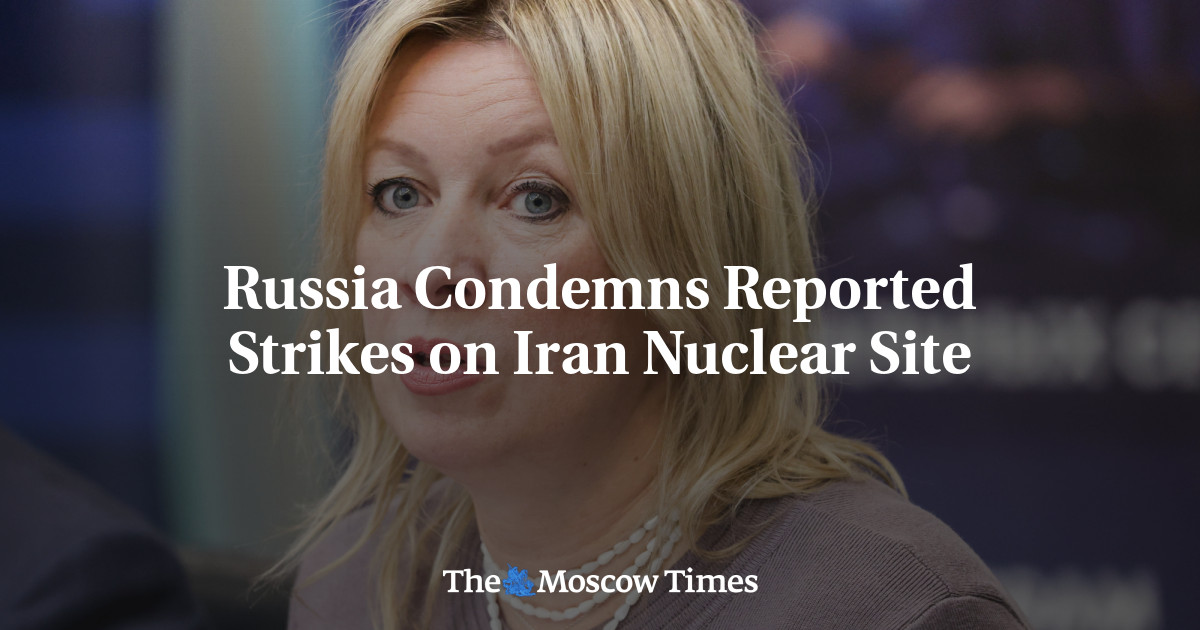
Russia's public opposition to nuclear site strikes removes diplomatic cover for continued escalation and activates Moscow as a veto player in any UN-mediated ceasefire.
If Russia moves from condemnation to material support — air defense systems, satellite intelligence, or electronic warfare assets — Iran's ability to sustain multi-night missile barrages increases, forcing the US and Israel to expand strike scope and risk direct confrontation with Russian-provided systems.
Russia's explicit condemnation signals Moscow will not remain silent as the conflict expands to nuclear infrastructure — a red line that activates Russian diplomatic intervention.
This fractures any remaining possibility of UN Security Council coordination on de-escalation, since Russia holds veto power and has now staked a public position opposing the strikes.
For defense planners, this means the conflict enters a phase where third-party nuclear powers are actively positioning themselves as stakeholders, increasing the risk of inadvertent escalation if Iranian or Russian military assets become directly involved in strike defense or retaliation.
Contractors with exposure to Russian sanctions escalation (energy sector, dual-use tech, financial services) should model a scenario where Moscow moves from condemnation to material support for Iran's air defense or retaliatory capability.
The article does not clarify whether Zakharova's statement represents a formal Russian government position or a preliminary diplomatic signal, nor does it indicate whether Russia intends to pursue a UN Security Council resolution or other institutional response.
Fault Lines
Strategic intelligence, synthesized daily — with a public track record. Every call graded against what actually happened.