Space Force Activates SPACEFOR-SOC; First USSOCOM Service Component Since 2006
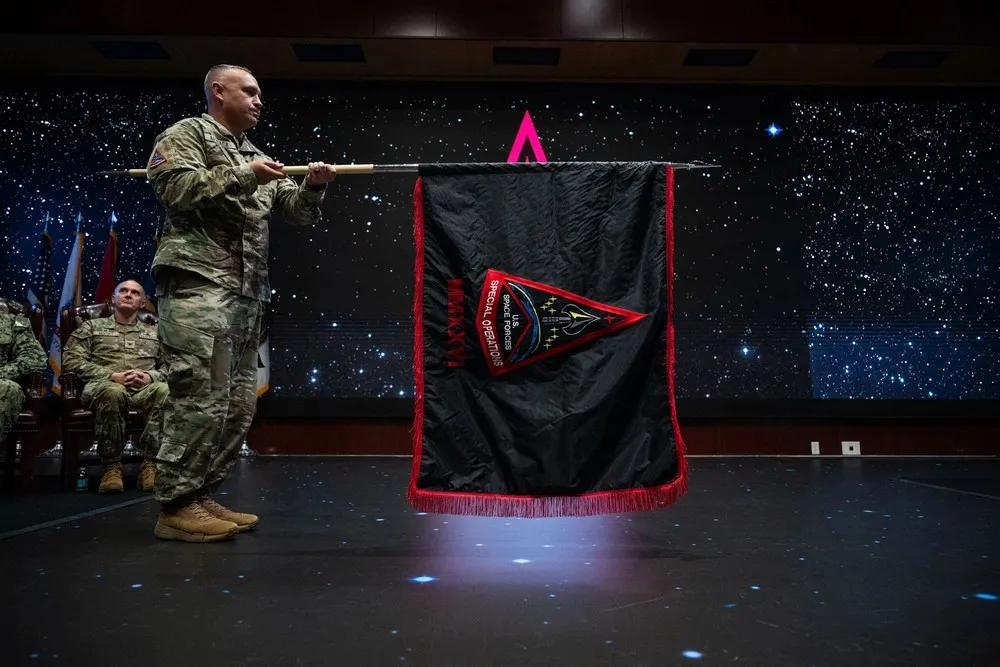
This closes a capability gap that has existed since SOCOM began operating in GPS-denied theaters. When SOF units conduct raids in contested airspace—the Middle East, Taiwan Strait, or near Russian air defenses—they have relied on theater space support requests that compete with conventional air operations for satellite bandwidth and ISR.
SPACEFOR-SOC's direct-to-SOCOM reporting structure means a 10-person raid team in the Hormuz now has a dedicated space operator who controls their own signal intelligence feed and positioning without asking CENTCOM's air component for a slot.
The second-order effect: every other service component's space support gets deprioritized in the same theater, which forces CENTCOM and INDOPACOM to renegotiate space allocation in their next campaign plans.
USSOCOM now has organic space authority for the first time, which eliminates the coordination lag that has forced SOF units to request space support through theater commands.
Col. Norsky's teams operate in denied-comms zones where real-time satellite relay, positioning, and signal intelligence become force-multipliers for direct-action raids, and the component's placement inside USSOCOM—not subordinate to Space Force—means special operators get priority tasking without fighting Air Force priorities.
Watch the first Joint Task Force deployment in Q1 2027; if SPACEFOR-SOC teams embed with SOCOM's Middle East or Indo-Pacific task forces, the signal is that contested-environment operations (Iran, Taiwan Strait, Arctic) now assume degraded comms as the baseline planning constraint.
What is the actual personnel strength of SPACEFOR-SOC, and how many Space Special Warfare Teams are operational versus authorized? The release does not specify manning levels or deployment readiness.
Fault Lines
Strategic intelligence, synthesized daily — with a public track record. Every call graded against what actually happened.