Cybercom Leadership Transition Occurs Mid-Campaign Against Iran Nuclear Infrastructure
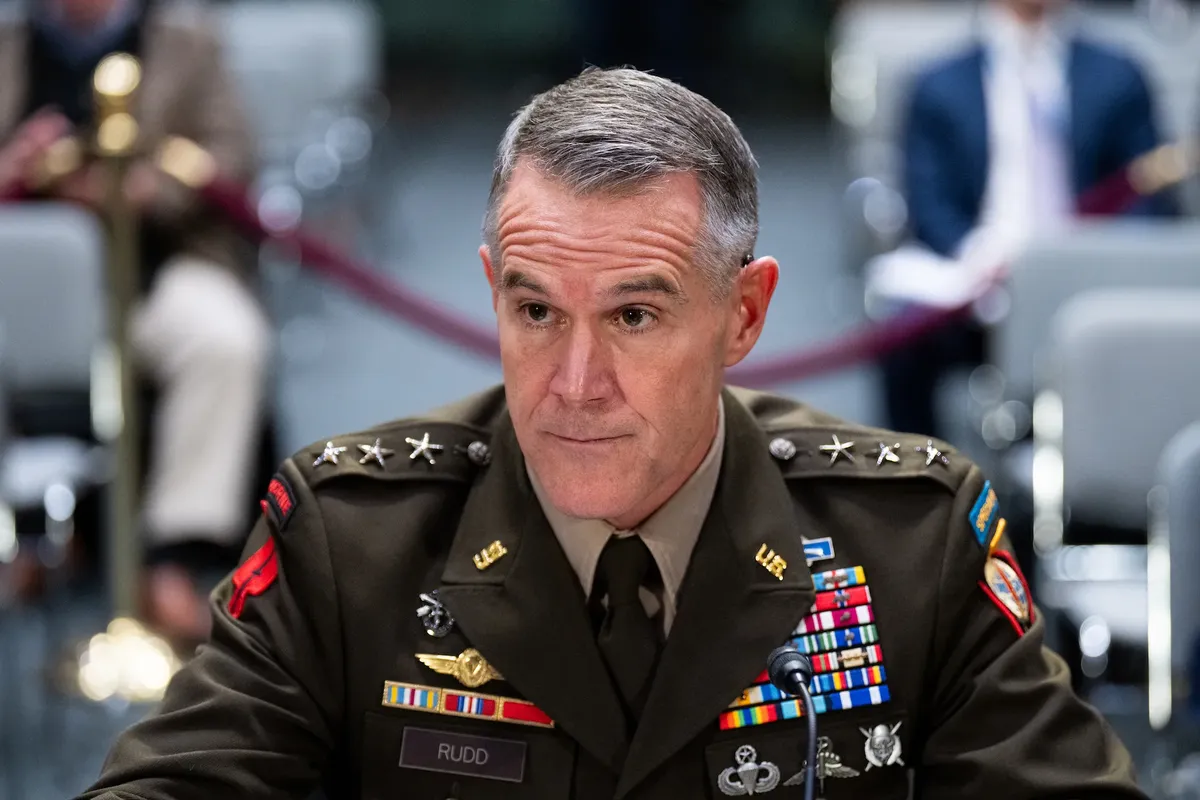
If Cybercom is conducting offensive cyber operations against Iranian nuclear command-and-control systems or air defense networks in coordination with B-2 strikes on Parchin and Israeli strikes on Tehran nuclear labs, a leadership transition mid-campaign creates synchronization risk between cyber and kinetic operations.
Cyber degradation of Iranian air defense integration would directly affect the survivability of follow-on U.S. or Israeli strike aircraft; a new commander unfamiliar with the operational timeline could delay or miscalibrate cyber support, exposing manned or unmanned platforms to air defense systems that should be degraded.
Leadership transitions during active combat operations create execution risk.
Cybercom's specific role in Operation Epic Fury—whether targeting Iranian air defense networks, command-and-control systems, or nuclear facility controls—is not disclosed in this article.
If Cybercom is conducting offensive cyber operations against Iranian nuclear command systems or air defense integration, a mid-campaign commander change introduces continuity gaps at a critical moment when Iranian retaliation cycles are accelerating (28 documented strike waves as of March 10).
The absence of detail on Rudd's operational priorities or previous cyber warfare experience leaves unclear whether this transition strengthens or degrades U.S. cyber coordination with Israeli operations.
What specific cyber operations is Cybercom conducting in support of Operation Epic Fury? What is Rudd's background in offensive cyber operations, and does his appointment signal a shift in Cybercom's role—from defense of U.S. networks to offensive targeting of Iranian nuclear or air defense systems?
Fault Lines
Strategic intelligence, synthesized daily — with a public track record. Every call graded against what actually happened.