Ukraine Reports Russia Fired 2,810 Munitions in Week; Oil Sanctions Relief Funds Campaign
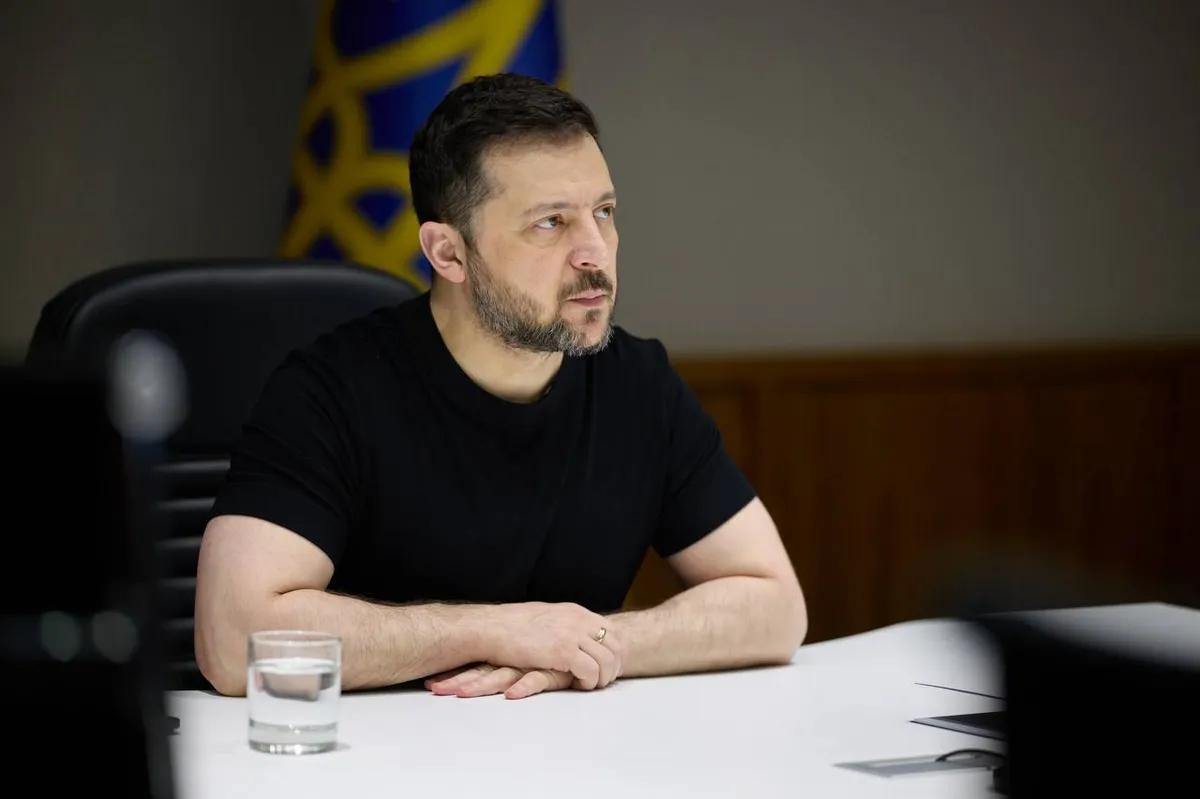
Sanctions enforcement becomes a direct lever on Russian strike capacity. If shadow fleet tankers generate the marginal revenue that funds incremental drone production, then European port access and naval interdiction directly constrain Russian offensive tempo — shifting energy policy from a secondary sanction into a primary kinetic variable.
Conversely, if EU members refuse enforcement (as Hungary and Greece have signaled), Russian weekly munition rates remain uncapped by financial constraint, forcing Ukraine and NATO to plan for sustained attrition rather than degradation over time.
If accurate, the munition rate (2,810 per week) indicates sustained Russian production capacity despite sanctions — a direct challenge to Western assumptions about attrition limits.
The claim that sanctions relief directly funded the campaign connects energy policy to kinetic escalation: easing restrictions on Russian oil sales increases Moscow's hard currency, which directly pays for drone and bomb procurement. This matters to defense planners because it suggests that European energy policy (shadow fleet enforcement, oil price caps) is now a direct input to the rate of fire against Ukraine.
Zelenskyy's request to block tankers in European waters rather than escort them is a policy shift that would require EU naval enforcement and creates friction with countries (Hungary, Greece) that have resisted energy sanctions.
The article does not specify the week in question, does not cite the source for the 1,550 drone and 1,260 bomb figures (Kyiv claim vs. verified count), and does not quantify how much additional revenue the sanctions relief generated or what percentage of weekly munition costs it covers.
Fault Lines
Strategic intelligence, synthesized daily — with a public track record. Every call graded against what actually happened.