Ukraine Drone Strikes on Russian Baltic Oil Ports Intercept Iran War Revenue as Hormuz Crisis Doubles Kremlin Crude Prices
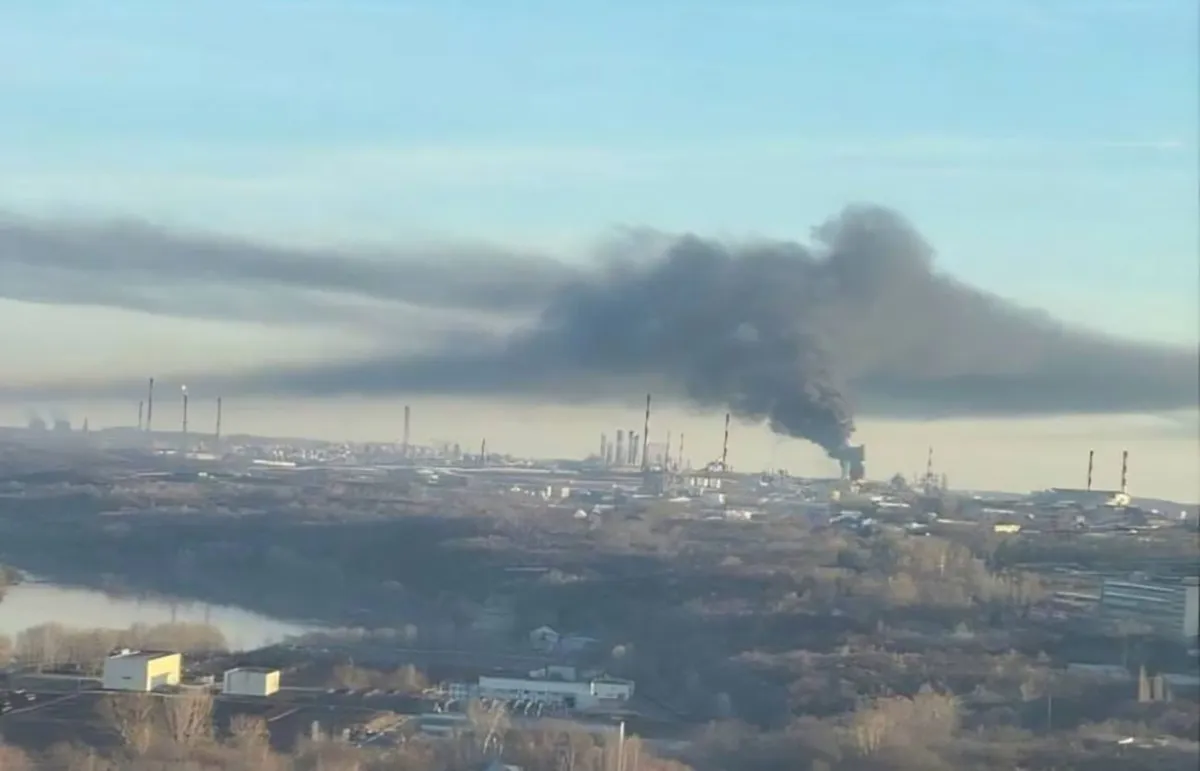
Ukraine's targeting of Russian oil export infrastructure directly undermines the financial incentive structure that sustains Russian provision of satellite imagery and cyber support to Iranian strike operations (per April 7 signal on Russian ISR provision).
If Russian oil revenues compress faster than global prices rise, Moscow faces a zero-sum choice between funding Iranian operational support and sustaining its own military production — a constraint that could degrade the Iran-Russia-Hezbollah operational integration confirmed on April 4.
Ukraine is attempting to degrade the financial foundation of Russian-Iranian operational coordination by targeting the logistics infrastructure that monetizes Russia's support for Iranian air defense and intelligence sharing (confirmed in April 7 signal on Russian satellite imagery provision).
If Ukraine sustains these strikes with sufficient damage rate, Russian oil export revenues could compress despite elevated global prices, forcing Moscow to choose between funding Iranian operations or sustaining domestic military-industrial throughput.
This creates a potential friction point in the Russia-Iran alignment precisely when Russian ISR and cyber support are most operationally valuable to Iranian strike planning.
However, the article provides no baseline on strike success rates, repair timelines, or Russian capacity to route exports through alternative corridors (Arctic, pipeline), making it premature to assess whether this creates actual constraint on Russian-Iranian coordination or merely raises operational friction.
The article does not specify which Baltic ports were targeted, damage sustained, repair timelines, or whether Russia has alternative export capacity (Arctic LNG, pipeline routes through Central Asia or China).
Fault Lines
Strategic intelligence, synthesized daily — with a public track record. Every call graded against what actually happened.