US Air Force Deploys 60 Medical Personnel to Saint Kitts for Two-Week LAMAT Mission
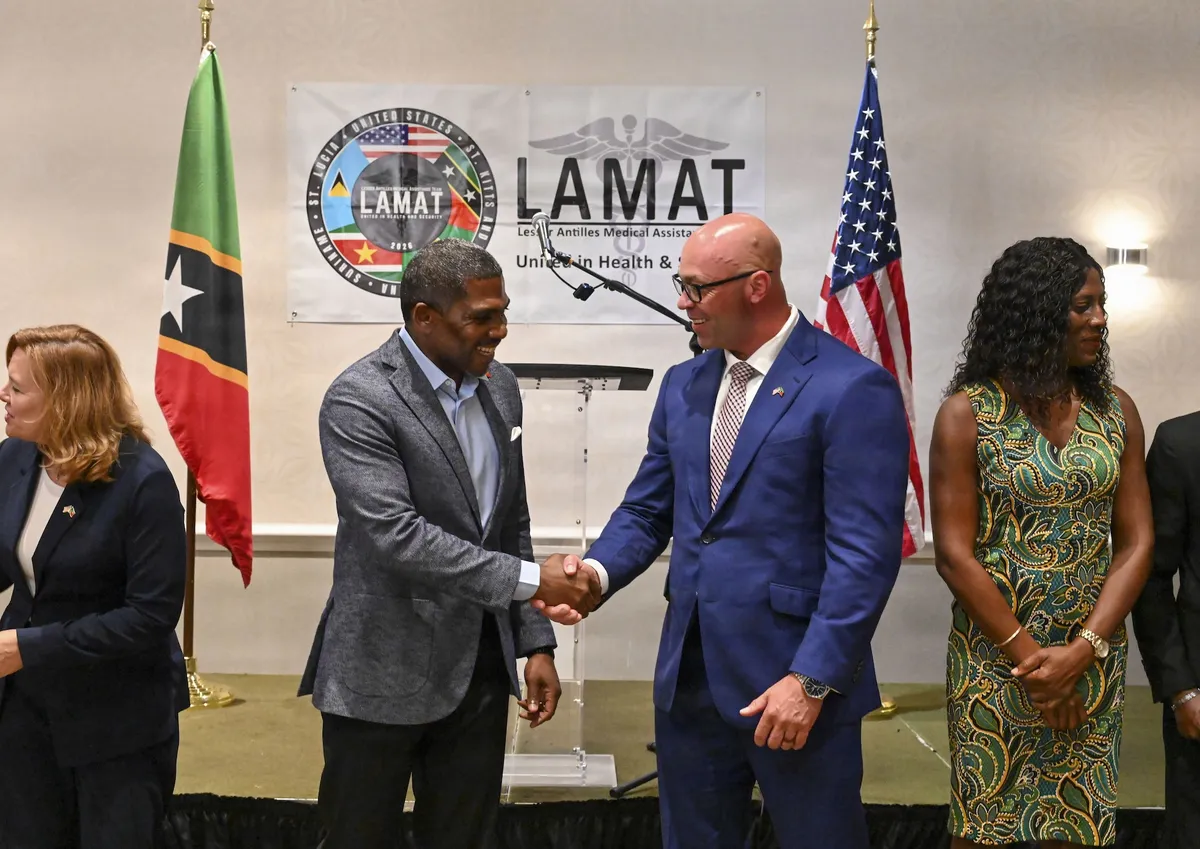
Medical engagement missions like LAMAT maintain U.S. military presence and access in the Caribbean without triggering sovereignty concerns or requiring formal military basing negotiations—a low-friction alternative to traditional power projection.
Sustained access to Saint Kitts and Nevis preserves SOUTHCOM's logistical and intelligence footprint in the eastern Caribbean, which is relevant if regional competition with China (already active in Dominica, Grenada, and other island states) escalates into a contest for airfield or port access.
This is a routine medical engagement activity within SOUTHCOM's broader presence-building strategy in the Caribbean.
It demonstrates sustained U.S. military access to Saint Kitts and Nevis and reinforces bilateral defense relationships in a region where China has been expanding economic and diplomatic influence.
The deployment itself carries no immediate procurement or force-posture implications, but it signals continuity of SOUTHCOM's medical diplomacy operations—a low-cost tool for maintaining regional influence and gathering intelligence on local conditions.
For defense investors, this is incremental: it confirms SOUTHCOM's operational tempo but does not indicate new capability development, budget shifts, or strategic reorientation.
The article does not specify the scope of medical services (how many patients, which communities served), the specific unit or command responsible for the mission, or whether this represents a change in frequency, scale, or duration compared to prior LAMAT deployments.
Fault Lines
Strategic intelligence, synthesized daily — with a public track record. Every call graded against what actually happened.