South Korea Commits $520B to Four New Memory Fabs; Samsung, SK Hynix Secure 30-Year State Backing
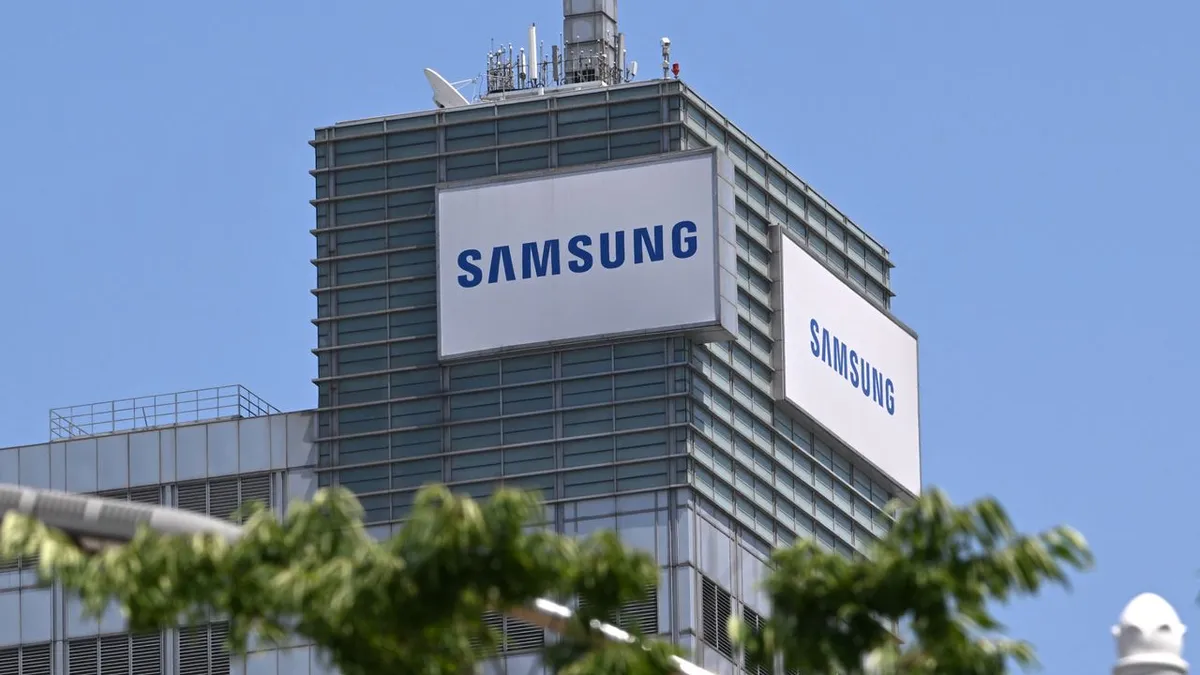
The $520B figure dwarfs the US CHIPS Act's $39B semiconductor allocation, but the comparison is misleading — South Korea is concentrating capital in one allied nation's memory fabs, while the US CHIPS Act is dispersed across multiple technologies and geographies to reduce concentration risk.
However, Seoul's move signals that memory chip production will remain geopolitically concentrated in East Asia (South Korea + Taiwan) for the next 30 years. If the Taiwan Strait closes or China escalates coercive pressure on Seoul, the allied world loses access to 70%+ of DRAM and 55% of NAND in a matter of weeks.
The US has no credible domestic NAND or DRAM production roadmap; Intel exited NAND in 2018, and Micron's remaining US capacity is a fraction of demand.
This locks South Korea into a $520B bet on memory-chip dominance at the exact moment when the US, EU, and Japan are racing to onshore semiconductor production — and it exposes a hard constraint on US and allied supply chain resilience.
Samsung and SK Hynix together control roughly 70% of the global DRAM market and 55% of NAND flash; a 30-year South Korean manufacturing commitment means those volumes stay geographically concentrated in a single US-aligned but non-allied nation, vulnerable to sanctions, coercion, or disruption.
The timing matters: this announcement comes as China accelerates domestic memory chip R&D (evidenced by the June 29 blacklisting of four Japanese defense research institutes and export curbs on dozens of firms — a signal Beijing is closing the technology gap on chipmaking).
If Seoul's fabs become the marginal supply source for allied defense and critical infrastructure during a Taiwan contingency or China-US escalation, the US military and allied economies face a single point of failure for DRAM and HBM used in everything from missiles to data centers.
Watch whether INDOPACOM or Commerce Department formally assess whether $520B in Korean-based memory capacity substitutes for or delays US onshoring commitments under the CHIPS Act.
Does the South Korean government's 30-year commitment include explicit supply-priority clauses for allied defense procurement, or is this purely commercial?
Fault Lines
Strategic intelligence, synthesized daily — with a public track record. Every call graded against what actually happened.