Russia Targets Ukrainian Rail Rolling Stock; 41 Facilities Damaged in Early March
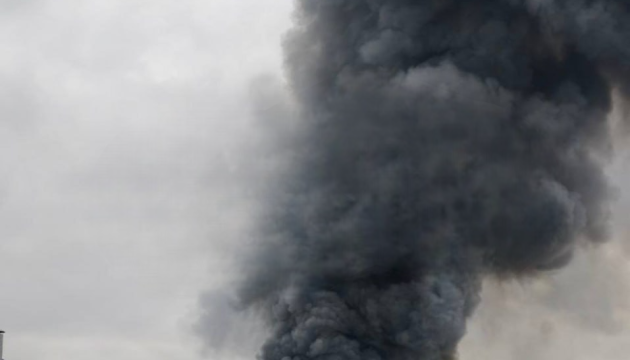
Sustained degradation of Ukrainian rolling stock directly constrains the logistics throughput available to field armies, which in turn determines how many days a given defensive sector can operate before ammunition or fuel depletion forces repositioning.
If Russia destroys rolling stock faster than Ukraine can repair or import replacements, the attrition curve shifts — Ukraine moves from defending fixed positions to managing supply scarcity, a transition that typically precedes force collapse in prolonged wars. This converts a logistics story into a force readiness story.
Railway logistics are the primary mechanism for moving military supplies, ammunition, and personnel across Ukrainian defensive lines.
If Russia is systematically degrading rolling stock rather than just track, it signals a shift toward attrition of Ukraine's transport capacity rather than temporary disruption of routes. This matters for defense planners assessing how long Ukraine can sustain current force postures without air defense or logistics resupply from allies.
The scale (41 facilities in days) suggests intensity, but without knowing repair timelines or reserve capacity, the operational impact remains unclear.
The article does not specify: (1) how many of the 41 facilities are permanently destroyed vs. repairable; (2) the composition of rolling stock losses (locomotives, freight cars, flatbeds, tankers); (3) Ukraine's current rolling stock inventory or repair capacity; (4) whether specific routes (e.g., t...
Fault Lines
Strategic intelligence, synthesized daily — with a public track record. Every call graded against what actually happened.