120 Daily Clashes in Ukraine Signal Sustained Attrition Pace; Pokrovsk Sector Pressure Grows
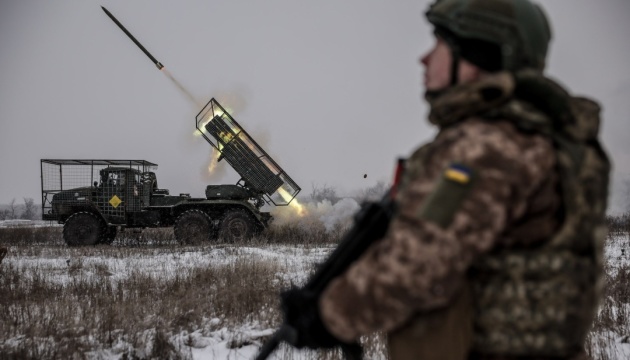
High daily clash frequency in a sustained conflict raises ammunition consumption and logistics demand faster than peacetime industrial capacity can sustain — particularly for air defense and artillery rounds.
If Pokrovsk sector pressure continues, Ukrainian forces will exhaust forward ammunition stocks faster, forcing deeper reliance on Western resupply pipelines (NATO 155mm, GMLRS, Patriot missiles) and exposing any gaps in allied production or delivery timelines.
For U.S. and allied defense contractors, this converts attrition data into working capital requirements: RTX, GD, and Northrop must demonstrate sustained production rates to Congress to justify FY27 ammunition appropriations.
A sustained daily clash count at this level (120) indicates neither side has achieved breakthrough momentum, but the specific concentration in Pokrovsk sector — a logistics hub and administrative center for eastern Ukrainian operations — suggests Russian forces are applying pressure on critical infrastructure nodes rather than dispersed positions.
For defense planners, this matters because it signals continued demand for ammunition, air defense, and medical evacuation capacity. The lack of reported territorial gains despite high clash frequency implies attrition is the operative metric; this favors whichever side has superior logistics and replacement rates.
Without casualty data or unit-level reporting, however, the tactical implication remains opaque — 120 clashes could reflect small-unit skirmishes, concentrated mechanized engagements, or both.
The article does not report Russian or Ukrainian casualty figures, territorial changes, unit types engaged, or the geographic distribution of clashes beyond naming two sectors — critical details needed to assess whether this represents escalation, routine intensity, or a shift in Russian operational...
Fault Lines
Strategic intelligence, synthesized daily — with a public track record. Every call graded against what actually happened.