Turkish Navy Completes First AKYA Torpedo Firing from MÜREN Combat System
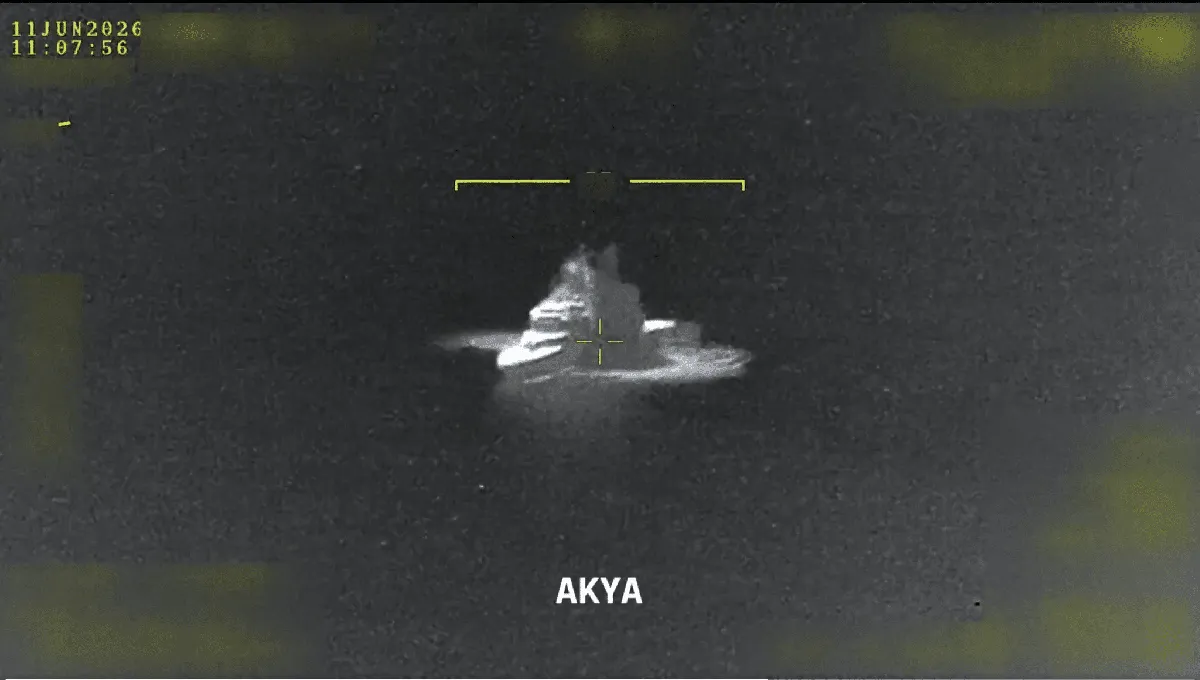
Domestic torpedo development and integration matter because they reduce Turkish Navy dependence on US or European supply chains — a constraint that became acute during the 2020 Eastern Mediterranean tensions. If the AKYA-MÜREN pairing proves reliable across multiple platforms (corvettes, frigates), Turkey can equip its entire surface fleet without awaiting NATO approval cycles.
This also creates leverage in future NATO standardization discussions: Turkey can credibly threaten to deploy parallel systems, forcing the alliance to accommodate Turkish preferences rather than impose them.
Turkey now possesses a domestically integrated anti-ship strike capability that closes a critical gap in its surface combatant lethality envelope.
The MÜREN-AKYA pairing validates Turkey's indigenous torpedo development and fire-control integration — a capability that previously required foreign systems. For Turkish Navy force planning, this means surface combatants can now prosecute subsurface and surface threats without reliance on NATO-supplied weapons.
For NATO and the US, it signals Turkish independence in a domain where interoperability has historically been assumed. Watch the next NATO naval exercise to see whether Turkey integrates AKYA into multinational fire-control protocols or operates it as a parallel system.
Does AKYA's integration into MÜREN retain NATO-standard data links, or has Turkey developed a proprietary fire-control interface that could complicate allied coordination in a contested scenario?
Fault Lines
Strategic intelligence, synthesized daily — with a public track record. Every call graded against what actually happened.