Atlantic Council: Strait of Hormuz Closure Risk Matters More Than Oil Price Spikes
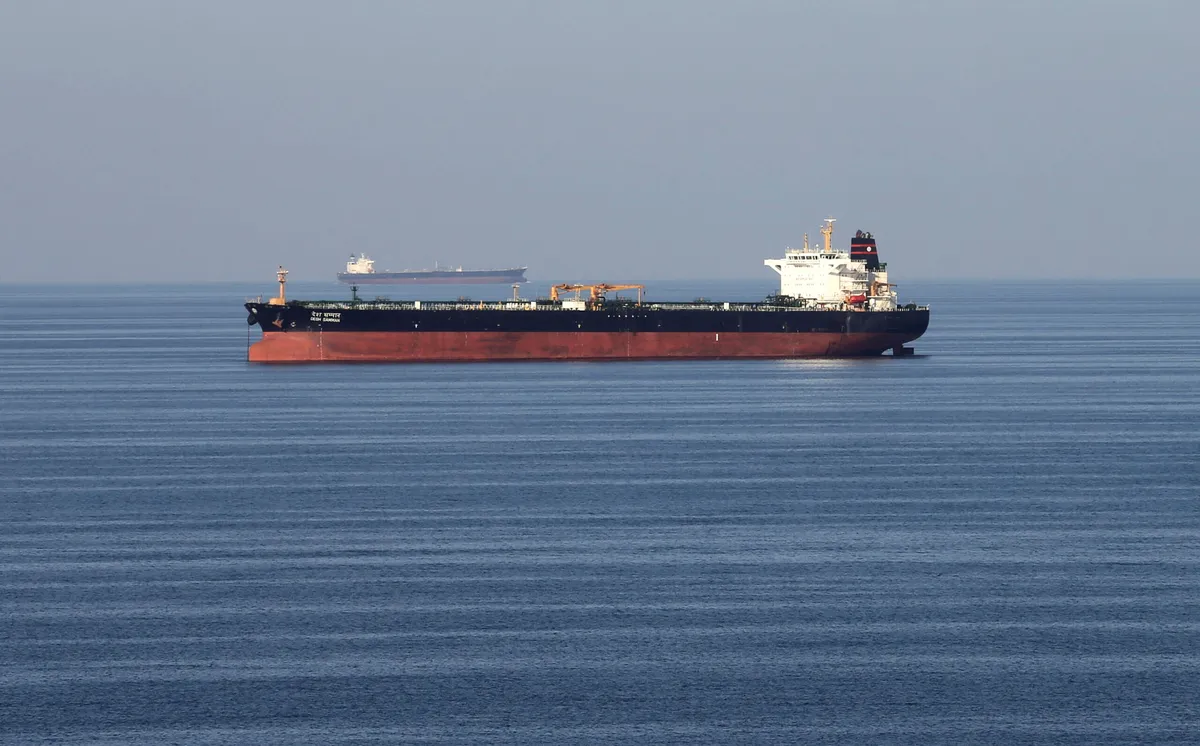
Hormuz closure forces allied governments to allocate scarce crude to military and critical infrastructure first, which delays non-defense industrial production and extends defense procurement timelines.
South Korea's shipbuilding (naval and commercial) and Japan's semiconductor fab operations are most exposed; extended energy rationing would delay both allied naval construction and the chip supply chains that feed U.S. defense primes (RTX, Lockheed, Northrop). This converts an energy shock into a procurement delay across multiple allied defense programs.
This frames the actual risk to energy markets and, by extension, to U.S. defense budgeting and allied industrial capacity.
If the Strait closes or faces sustained interdiction, crude flows to Japan, South Korea, and Europe contract sharply—forcing rationing decisions that affect military readiness timelines and allied defense industrial production.
The distinction matters: a $20/barrel spike is absorbed; a 30-day closure of Hormuz creates supply allocation crises that ripple into shipbuilding schedules, aerospace component sourcing, and ally burden-sharing negotiations. The article does not quantify current shipping risk, Iranian capability to sustain closure, or U.S. Navy readiness posture to counter it.
What is the current Iranian military capability to interdict shipping, and what is the U.S. Navy's stated timeline to restore flow if closure occurs? The article does not specify how long 'prolonged uncertainty' lasts before allied economies take rationing action.
Fault Lines
Strategic intelligence, synthesized daily — with a public track record. Every call graded against what actually happened.