Hormuz Closure Forces China, Japan, South Korea into Oil Spot Markets; Taiwan LNG Exposure Highest
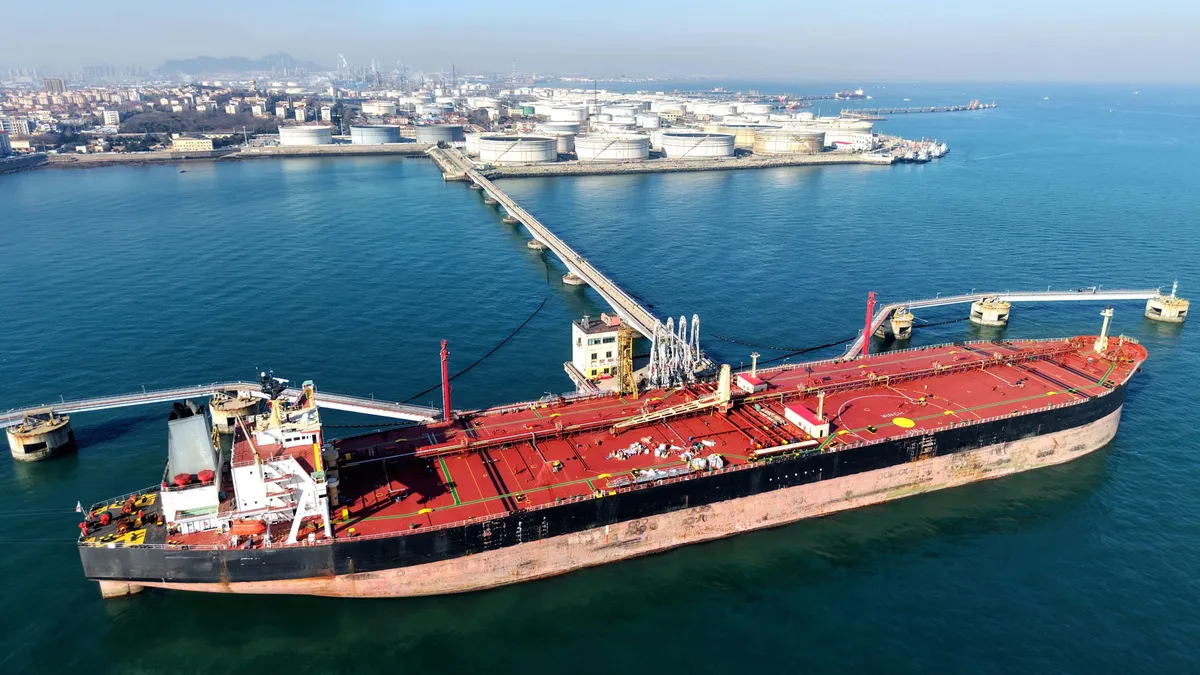
Hormuz closure converts energy supply into a near-term constraint on Taiwan's defense readiness and industrial output. Sustained high fuel costs and LNG scarcity will compress margins at Taiwan Semiconductor Manufacturing Company and other fabricators, forcing production delays or price increases that ripple into US and allied chip procurement.
Simultaneously, China's elevated import costs create incentive to accelerate Iran sanctions relief or negotiate ceasefire, making energy economics a variable in ceasefire negotiation timelines.
China imports ~75% of its crude via Hormuz; Japan and South Korea depend on the strait for 80%+ of oil and significant LNG.
Taiwan's LNG import dependency is acute and geographically isolated. A sustained Hormuz closure forces spot-market procurement at elevated prices, drains strategic reserves, and creates leverage for alternative suppliers (Russia, Central Asia, Australia). This is not a future risk—it is occurring now.
The constraint is physical (Iranian naval/air interdiction) and will persist until either Iran loses capability to close the strait or a ceasefire is negotiated. Immediate consequences: spot crude prices already elevated; Asian utilities and refiners face margin compression; governments will accelerate LNG diversification and emergency reserve releases.
Taiwan faces the highest vulnerability due to limited storage and import diversity.
The article does not specify: (1) current daily throughput reduction in Hormuz (TEUs, barrels per day); (2) inventory burn rates by nation; (3) which Asian LNG contracts are indexed to spot vs. long-term pricing; (4) duration assumption (days vs. weeks vs. indefinite); (5) whether any Asian nation h...
Fault Lines
Strategic intelligence, synthesized daily — with a public track record. Every call graded against what actually happened.