Russia Orders SIM Cards for Shahed Drones via Telecom Subsidiaries; Exploits Cross-Border Network Gaps
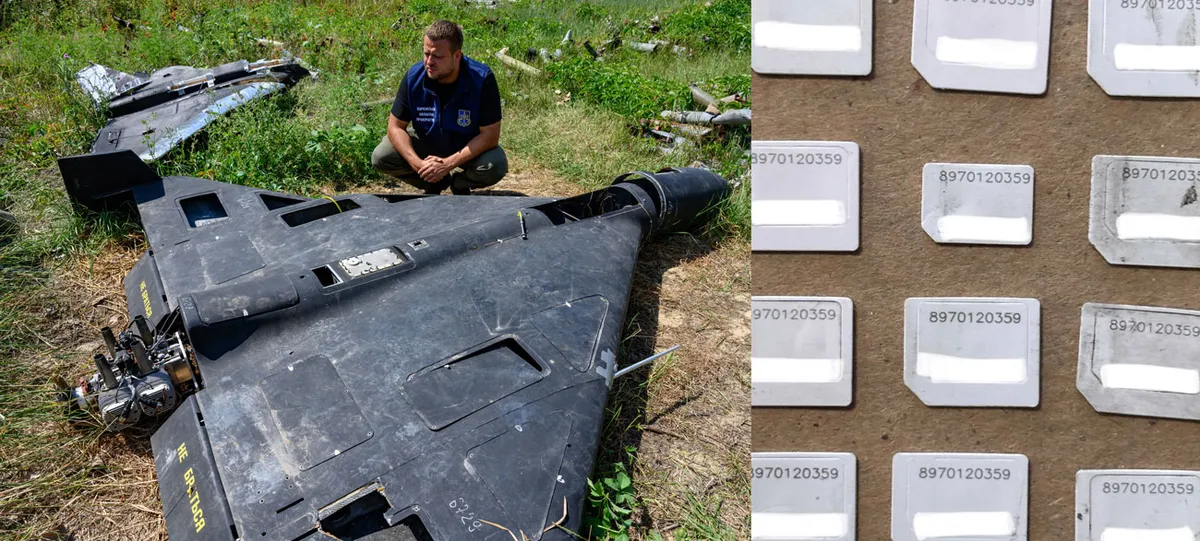
Ukraine's inability to fully deny Shahed command and control without third-country telecom cooperation forces a choice between degraded air defense effectiveness and escalated diplomatic demands on Poland, Romania, and NATO.
If Ukraine pushes for network blacklisting, it shifts the conflict from the battlefield into allied telecom regulation and border control—creating a new friction point between Kyiv and NATO capitals over the cost of supply-chain security.
Conversely, if Ukraine tolerates the gap, Russian drone accuracy remains higher than Ukrainian EW can achieve alone, directly affecting casualty projections and force sustainment timelines.
Russia has converted a commercial telecom supply chain vulnerability into a persistent capability gap for Ukrainian air defense.
The reliance on civilian cross-border networks means Ukraine cannot jam or block Shahed command links without either (1) coordinating with NATO allies to shut down roaming access from third countries—diplomatically and technically complex—or (2) accepting degraded drone accuracy within Ukrainian airspace.
This exposes a critical asymmetry: Russia's operational resilience now depends on the regulatory and technical boundaries of allied telecom infrastructure, not Russian military hardening.
For NATO allies hosting Rostelecom roaming agreements or similar arrangements, this signals that commercial telecom licensing decisions now carry direct kinetic consequences and may require revision of interconnection policies with Russian entities.
The article does not specify which NATO or neighboring-country telecom operators are providing roaming access to Russian SIM cards, nor does it quantify how many drones currently rely on this method versus dedicated Russian networks.
Fault Lines
Strategic intelligence, synthesized daily — with a public track record. Every call graded against what actually happened.