Trump Isolated on Hormuz: European Refusal Fractures US-Led Containment
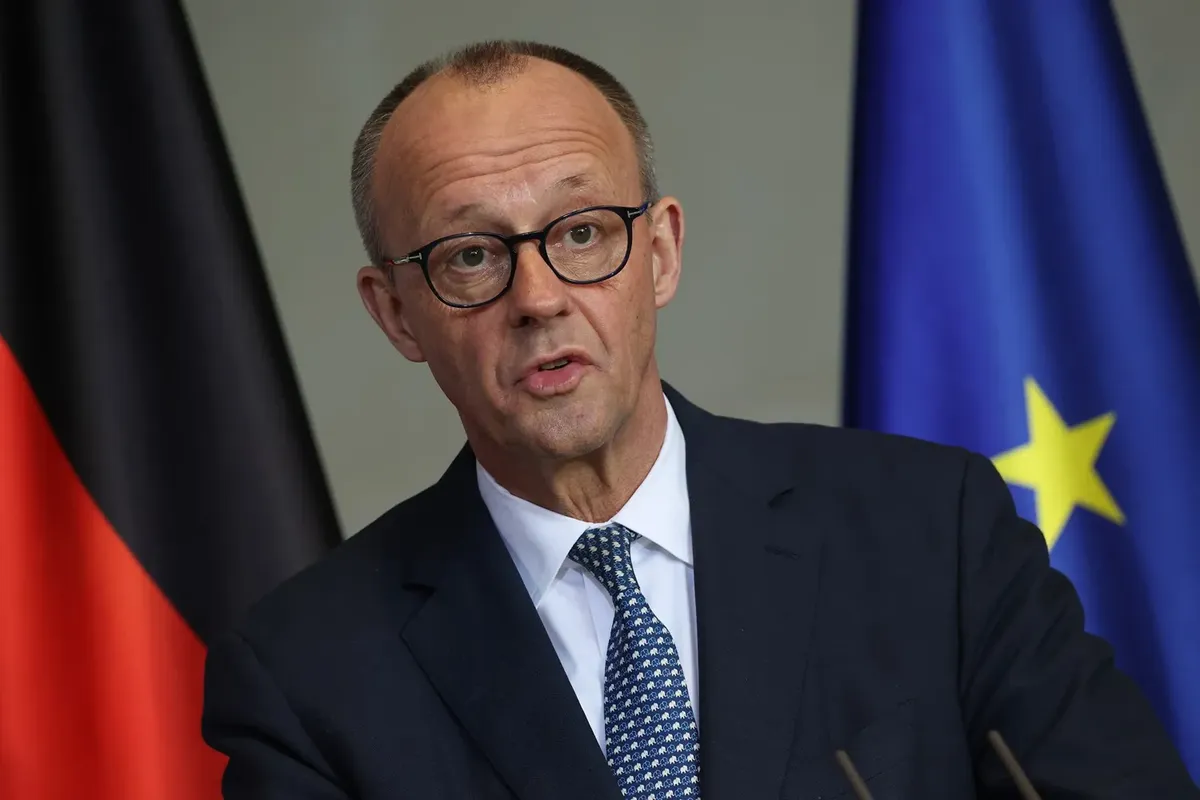
European military absence from Hormuz operations forces the US to extend carrier dwell time in the Gulf without rotation relief, accelerating maintenance backlogs and delaying Indo-Pacific deployments — USS Tripoli's arrival (already signaled on March 13) now becomes a surge response rather than a rotation, compressing the available carrier capacity for Taiwan contingency planning.
Hormuz closure now depends on US-Israeli military action alone, without allied air cover, logistics, or diplomatic coordination.
This eliminates the deterrent effect of a coalition response — Iran faces only bilateral consequences, not multilateral cost. European refusal also signals that Trump's prior rhetoric against NATO has eroded the transactional basis for allied burden-sharing in non-Article 5 theaters.
Reopening Hormuz will require sustained US carrier operations without allied interception of Iranian drones/missiles or port security support, extending the timeline and raising casualty risk to US personnel.
If Hormuz remains closed beyond 30 days, energy markets will price in permanent supply-chain fragmentation, forcing US allies to develop independent Persian Gulf logistics — a structural shift away from US-mediated regional access.
Which European nations were asked and on what specific terms (military assets, diplomatic mediation, financial contribution)? Did the US request European naval participation, or only political endorsement?
Fault Lines
Strategic intelligence, synthesized daily — with a public track record. Every call graded against what actually happened.