Ultra Maritime Wins Navy Contract for MK6 Torpedo Countermeasure as Adversary Capabilities Accelerate
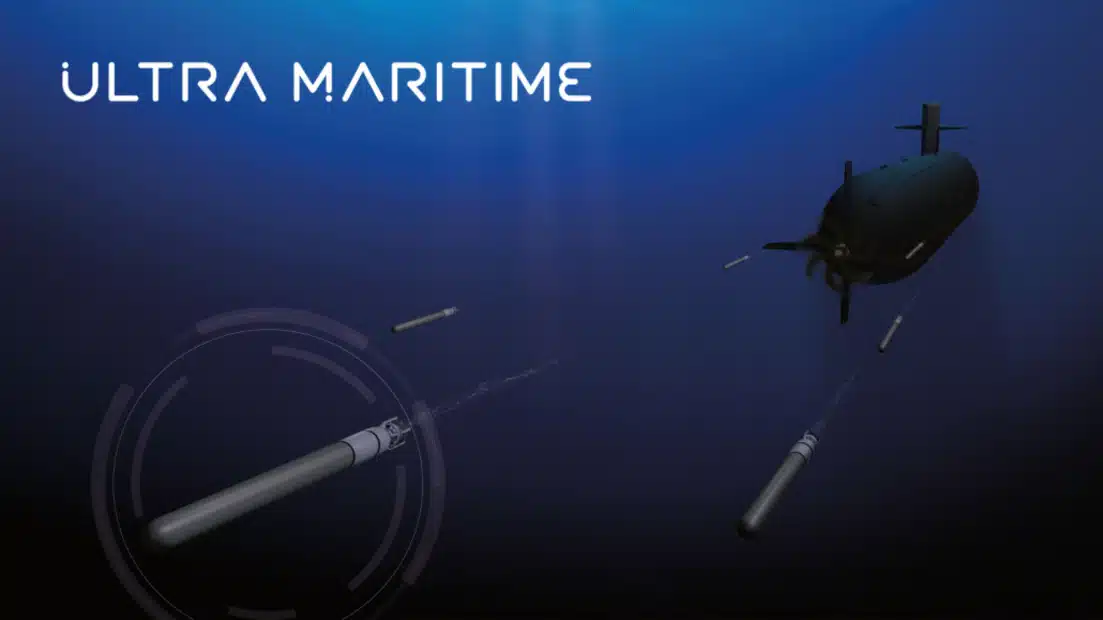
The MK6 development accelerates capital allocation into submarine survivability systems, which compresses budgets available for other undersea programs (e.g., unmanned systems, sonar upgrades).
If the MK6 development extends beyond 36 months or requires design iterations, it delays retrofit schedules for existing attack submarines, pushing maintenance availabilities into the 2028-2030 window when Pacific Command contingency planning assumes higher operational tempo. Conversely, if Ultra Maritime delivers on schedule, it raises the technical floor for all future U.S.
Navy torpedo defense, forcing allied navies (Australia, UK, Japan) to either license the technology or fund indigenous alternatives — creating a secondary market for Ultra Maritime or opening export control friction.
This contract signals the Navy's acknowledgment that existing acoustic countermeasure doctrine is degrading against evolved threat profiles.
The MK6 development timeline and funding level (not disclosed in source) will determine whether the Navy can close the capability gap before next-generation Chinese and Russian torpedoes enter service at scale.
Ultra Maritime gains a foothold in a recapitalization cycle that will eventually touch all SSN, SSBN, and surface combatant fleets — but execution risk is high: acoustic countermeasure development is iterative and adversary adaptation cycles are shortening.
Watch whether the Navy funds parallel redundant efforts with competitors (e.g., Lockheed Martin Rotary and Mission Systems) or commits exclusively to Ultra Maritime.
The article does not disclose contract value, development timeline, production quantity targets, or whether this is a development-only award or includes production options — all critical to assessing market impact and Ultra Maritime's revenue trajectory.
Fault Lines
Strategic intelligence, synthesized daily — with a public track record. Every call graded against what actually happened.