Joint Chiefs Confirms Russia Providing Military Aid to Iran; Escalates Great-Power Proxy Risk
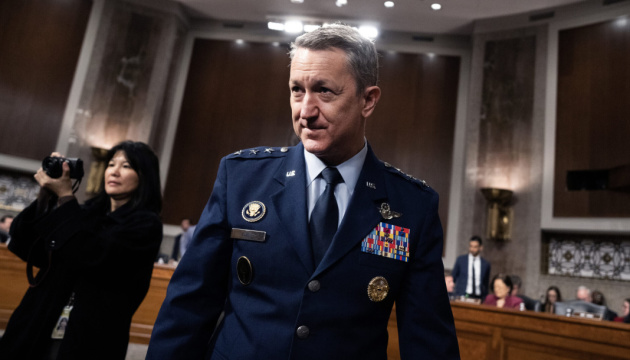
Russian arms transfers to Iran lock Moscow into Tehran's survival, which means any U.S. escalation against Iran now carries implicit escalation risk with Russia. If the U.S. strikes Russian-supplied air defense systems in Iran, Moscow faces a choice: absorb the loss or retaliate. This transforms the Iran conflict from a regional containment problem into a great-power escalation ladder.
Simultaneously, it justifies Trump's threat to cut troops from Germany (per prior signal) — the administration can now argue that European allied burden-sharing is inadequate when Russia is actively supporting U.S. adversaries.
This is not a surprise — it's confirmation that the Iran war has crossed into great-power proxy territory.
Russia gains leverage over both Iran and the U.S. without committing its own forces; Iran gets material support it desperately needs as the Hormuz blockade crushes its economy; and the U.S. now faces a two-front intelligence and operational challenge it didn't publicly acknowledge before.
The timing matters: Caine's statement comes as Trump hardens his capitulation demand on Iran (per prior signals), the 60-day War Powers deadline just passed, and Congress is about to demand answers on whether this is a sustainable conflict. Once the Pentagon admits a peer competitor is actively arming the other side, the domestic political calculus shifts.
Expect the Hill to demand either a clear exit strategy or a formal Russia-Iran sanctions package that doesn't exist yet.
What specific systems is Russia providing — air defense, electronic warfare, precision munitions, or intelligence feeds? The distinction between logistics support and combat capability directly changes whether this is a supply-chain problem or a tactical threat to U.S. air operations over Iran.
Fault Lines
Strategic intelligence, synthesized daily — with a public track record. Every call graded against what actually happened.