Trump Offers No War Objectives in Iran Address; Ceasefire Terms Remain Undefined
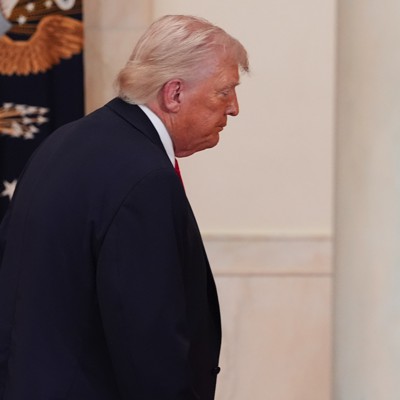
Undefined termination criteria degrade force-sizing and sustainment procurement accuracy. If Trump exits in 2-3 weeks without Iranian concessions, Israel faces either continued solo operations (forcing independent ammunition resupply, air defense replacement, and damage repair) or operational pause—either outcome strains Israeli defense budgets and delays allied interoperability upgrades.
Simultaneously, undefined US objectives create ambiguity for Gulf allies (Saudi, UAE, Kuwait) on whether Hormuz security is a permanent US commitment or a temporary campaign objective, affecting their own air defense and naval procurement timelines.
Ambiguous war termination criteria create operational risk for allied forces and procurement planners.
Israel has conducted 400+ strikes on Tehran in 48 hours (April 1) and claims operations are 'beyond halfway' toward unstated objectives; without Trump-defined end-state, Israeli command cannot synchronize force tempo with US exit strategy.
The 2-3 week exit window Trump announced April 1 now lacks measurable success conditions, forcing military planners to assume either indefinite operations or unilateral US withdrawal regardless of Iranian compliance.
Defense primes (RTX, LMT, GD) pricing sustainment contracts and allies (UK, France, Gulf states) committing air assets face uncertainty on whether this conflict resolves via Iranian capitulation, negotiated settlement, or US disengagement—each scenario carries different casualty, cost, and reputational consequences.
The article does not report whether Trump's omission reflects deliberate ambiguity (to preserve operational flexibility), internal disagreement between State Department and DoD on objectives, or incomplete planning.
Fault Lines
Strategic intelligence, synthesized daily — with a public track record. Every call graded against what actually happened.