JMSDF Dissolves Escort Fleet, Establishes Multi-Domain Surface Command Amid Indo-Pacific Tensions
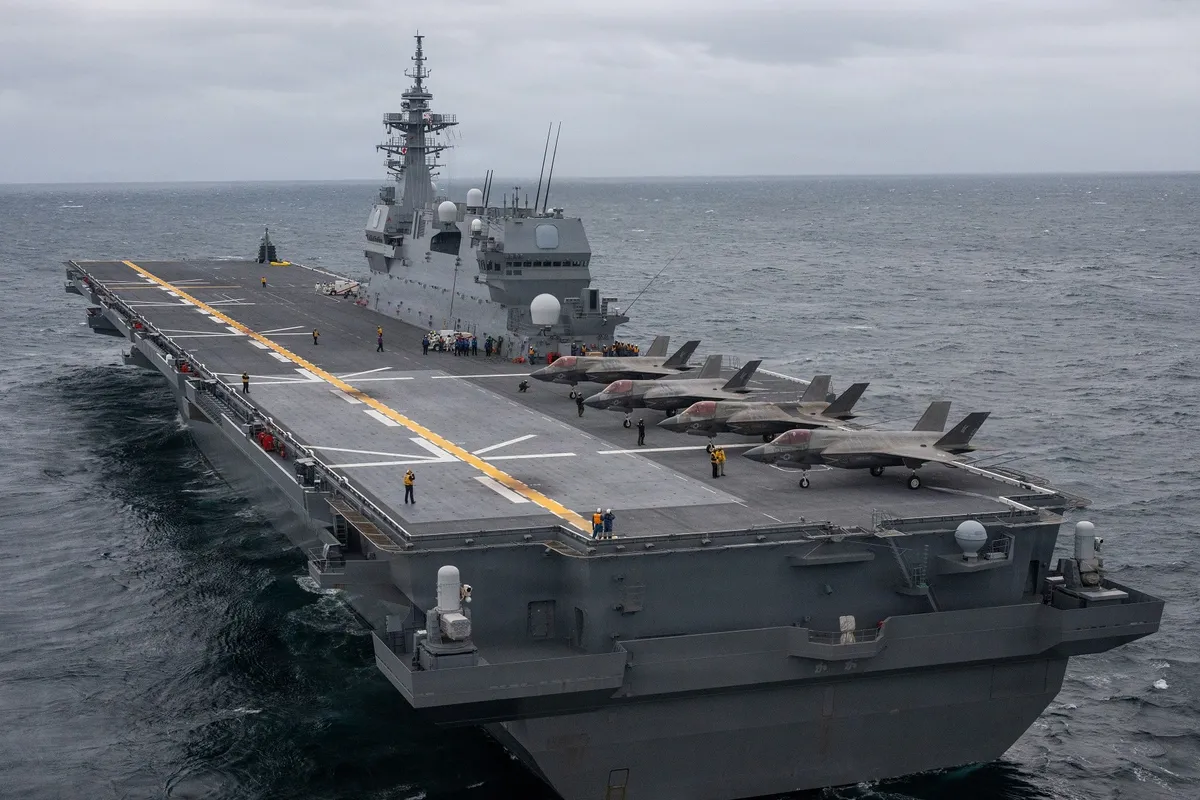
Japan's shift toward integrated surface operations reduces its operational dependence on real-time US tactical coordination, which becomes relevant if US Indo-Pacific assets are committed elsewhere (as they currently are in the Middle East).
The new Information Warfare/Operations Command indicates Tokyo is preparing for scenarios in which Japanese and allied networks operate under degraded or contested conditions — this drives procurement of autonomous surface systems and hardened naval C4ISR, creating near-term contracts for Lockheed's naval combat management systems and Japanese firms' integration work.
Japan is restructuring its surface warfare architecture during active regional escalation — the Middle East conflict has drawn US attention and resources away from the Indo-Pacific, while China continues modernizing its navy.
The timing suggests Tokyo is preparing for independent command-and-control of surface operations without reliance on US coordination, particularly in scenarios involving electronic warfare, cyber integration, and distributed anti-ship operations.
This has immediate procurement implications: the new command structure will require new C4ISR systems, potentially opening contracts for Japanese defense firms (Mitsubishi Heavy, Japan Marine United) and allied suppliers (Lockheed, Raytheon) competing for integration work.
The information warfare command signals Japan is prioritizing contested-communications scenarios — critical if US forward bases in Japan lose connectivity during a Taiwan contingency.
The article does not specify what platforms fall under the new Fleet Surface Force, what the command relationship is to Japan's air and submarine forces, or whether this restructuring includes procurement timelines for new vessels or C4ISR upgrades.
Fault Lines
Strategic intelligence, synthesized daily — with a public track record. Every call graded against what actually happened.