12th Marine Littoral Regiment Deploys Anti-Ship Missiles to Okinawa
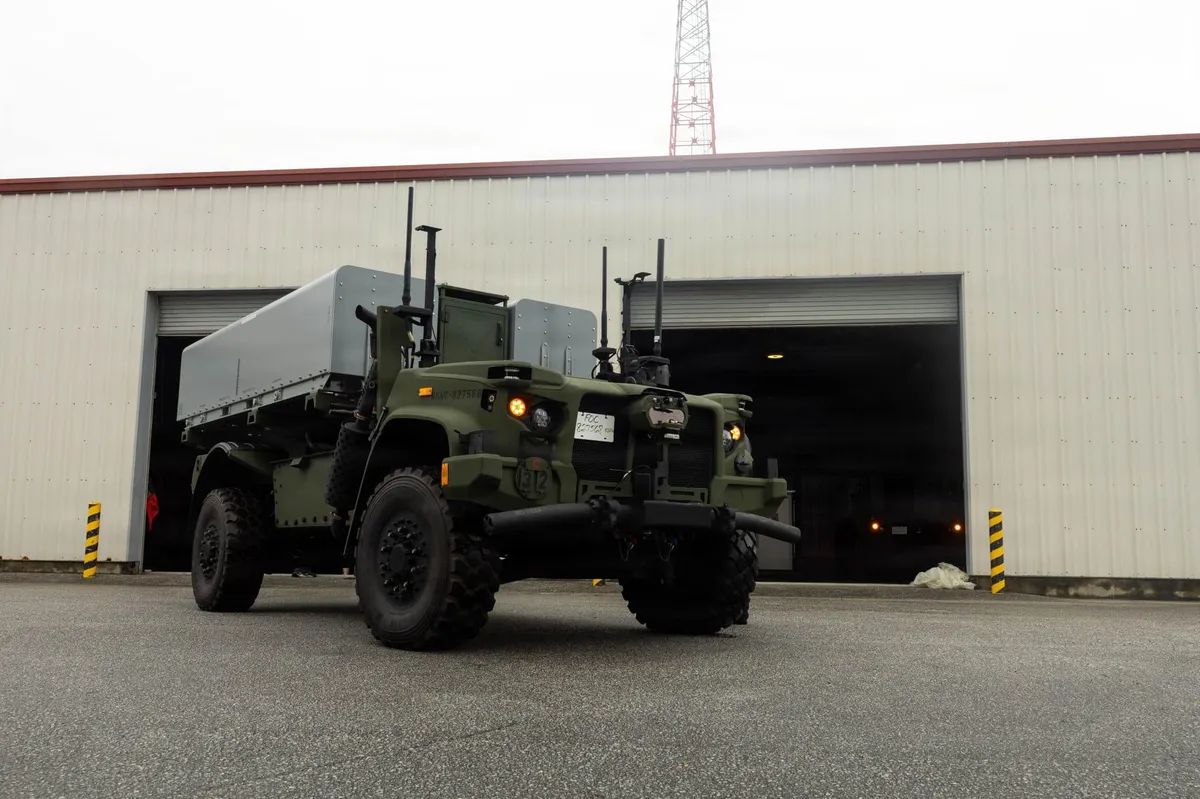
The 12th MLR's positioning completes a tactical shift underway since 2022: moving from carrier-centric to distributed, resilient strike architecture. If the MLR sustains operations on Okinawa, it absorbs targeting pressure that would otherwise fall on allied air bases or naval vessels — effectively raising the cost for any PLA attempt to suppress air defense or conduct amphibious operations.
However, the article does not specify deployment duration, unit size, or munitions quantities, which limits assessment of actual operational impact versus signaling value.
INDOPACOM now has organic anti-ship strike capability positioned inside the first island chain — a direct counter to the PLA Navy's ability to project power into the Philippine Sea and threaten allied shipping.
The MLR's positioning on Okinawa puts anti-ship fires within 200+ nautical miles of the Taiwan Strait and Luzon Strait, which compresses the operational window for any PLA amphibious or carrier task force operation.
Watch whether the Pentagon announces additional MLR deployments to Guam, Palau, or the Philippines — that would signal a deliberate strategy to saturate the first island chain with distributed, mobile anti-ship fires rather than relying on fixed bases or carrier strike groups.
What is the specific inventory of anti-ship missiles deployed with the 12th MLR — Tomahawk, Naval Strike Missile, Harpoon, or a mix? And does this deployment represent a permanent forward basing or a rotational presence?
Fault Lines
Strategic intelligence, synthesized daily — with a public track record. Every call graded against what actually happened.