Ukrainian Night FPV Drones Halt Russian Lyman Advance; Signals Tactical Shift
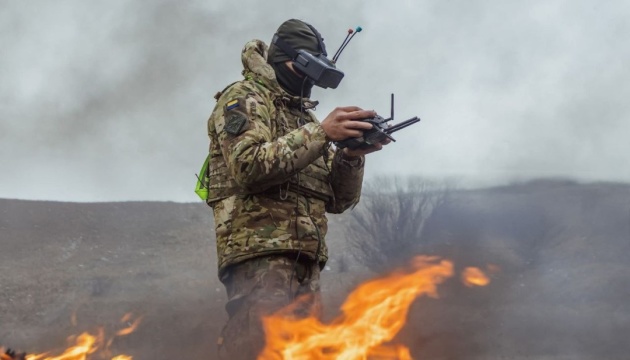
Sustained night FPV operations force Russian planners to either accept 24-hour interdiction risk (degrading maneuver tempo and concentration) or invest in counter-UAS systems and jamming that compete for finite air defense and electronic warfare resources.
If Ukrainian forces can replicate this capability across multiple brigades, the operational cost to Russian advances rises measurably — not through attrition alone, but through the requirement to suppress drone operations before executing major movements, effectively extending timelines for any offensive operation.
This confirms operational deployment of night-vision FPV drone systems in active combat, a capability that was experimental or limited 12-18 months ago.
If night FPV operations are becoming routine for Ukrainian forces, it indicates either improved drone thermal/low-light optics, better pilot training, or both — each of which extends the effective operating window for small unmanned systems and reduces Russian maneuver freedom during hours previously treated as safer.
However, a single tactical success does not establish a force-wide capability shift; the article provides no data on frequency, success rate, or whether this reflects SIGNUM's exceptional skill or unit-wide proficiency. The strategic consequence depends on whether this scales across Ukrainian brigades or remains concentrated in elite units.
The article does not state: (1) the size or composition of the Russian force engaged; (2) confirmed losses or damage inflicted; (3) whether night FPV capability is now standard across Ukrainian formations or limited to SIGNUM; (4) the specific drone platform, sensor type, or control range used; (5)...
Fault Lines
Strategic intelligence, synthesized daily — with a public track record. Every call graded against what actually happened.