Ukraine Drone Laser-Targeting Demand Triggers Commercial Miniaturization Race
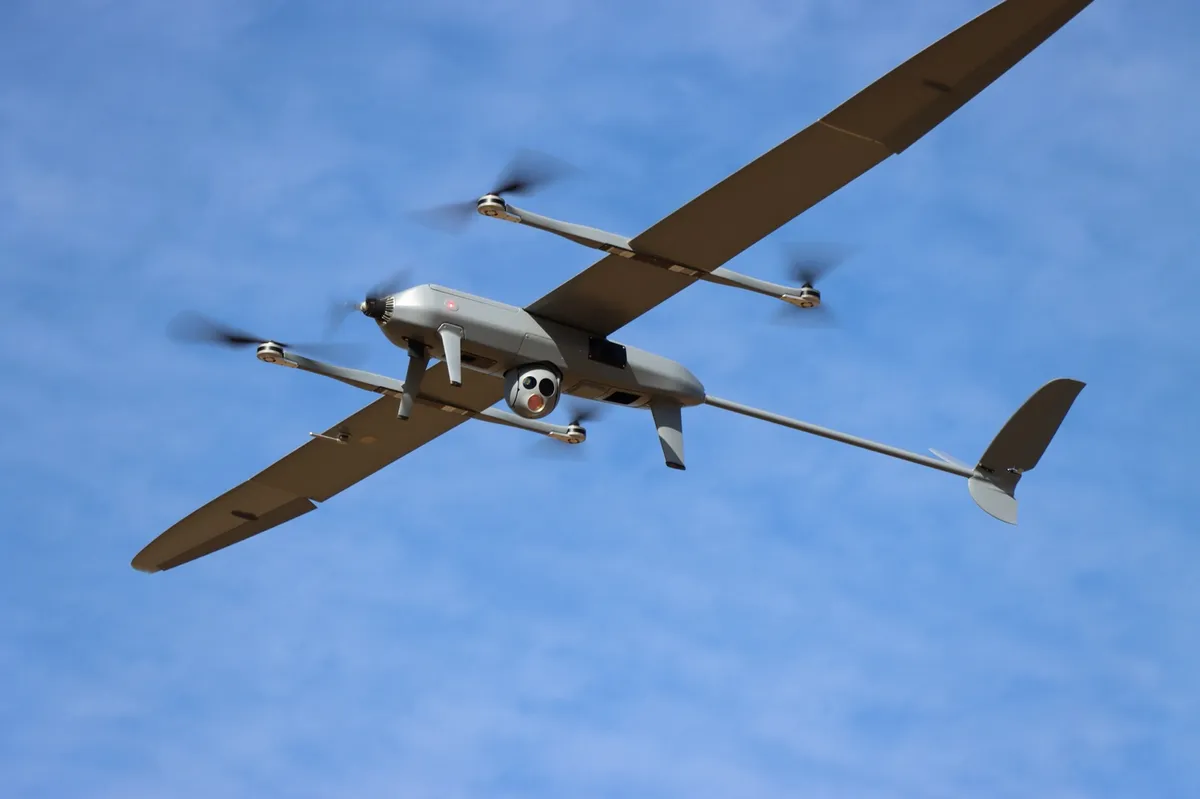
If miniaturized designators become the standard for small-UAS operations, it reshapes the economics of drone warfare — designators become consumables rather than force-multipliers, which accelerates attrition on the supply side. European NATO allies facing similar UAS scaling (Poland, Baltics) will face the same bottleneck.
This could fragment the market into proprietary ecosystems unless NATO standardizes on a single designator interface, which would require STANAG revision and vendor buy-in by late 2027.
This signals a shift in targeting architecture away from centralized designation systems toward distributed, drone-mounted alternatives — which exposes a production bottleneck for any vendor trying to scale.
Miniaturized laser designators require custom optics and ruggedized electronics in volumes that exceed current manufacturing capacity at tier-1 suppliers. If Ukraine's attrition rate on small drones remains above 30% monthly (as reported in recent OSINT), designator demand could exceed 200+ units annually per brigade, forcing vendors to choose between civilian laser applications and military orders.
Watch whether any vendor announces a dedicated production line or seeks ITAR exemptions for rapid prototyping by Q3 2026.
Which specific companies are launching products, what are their unit costs, and what is the actual monthly designator loss rate in Ukrainian operations? The article mentions 'companies' but names none.
Fault Lines
Strategic intelligence, synthesized daily — with a public track record. Every call graded against what actually happened.