US-Israeli Strikes Hit Iranian Civilian Infrastructure; Hospitals, Schools, UNESCO Site Damaged
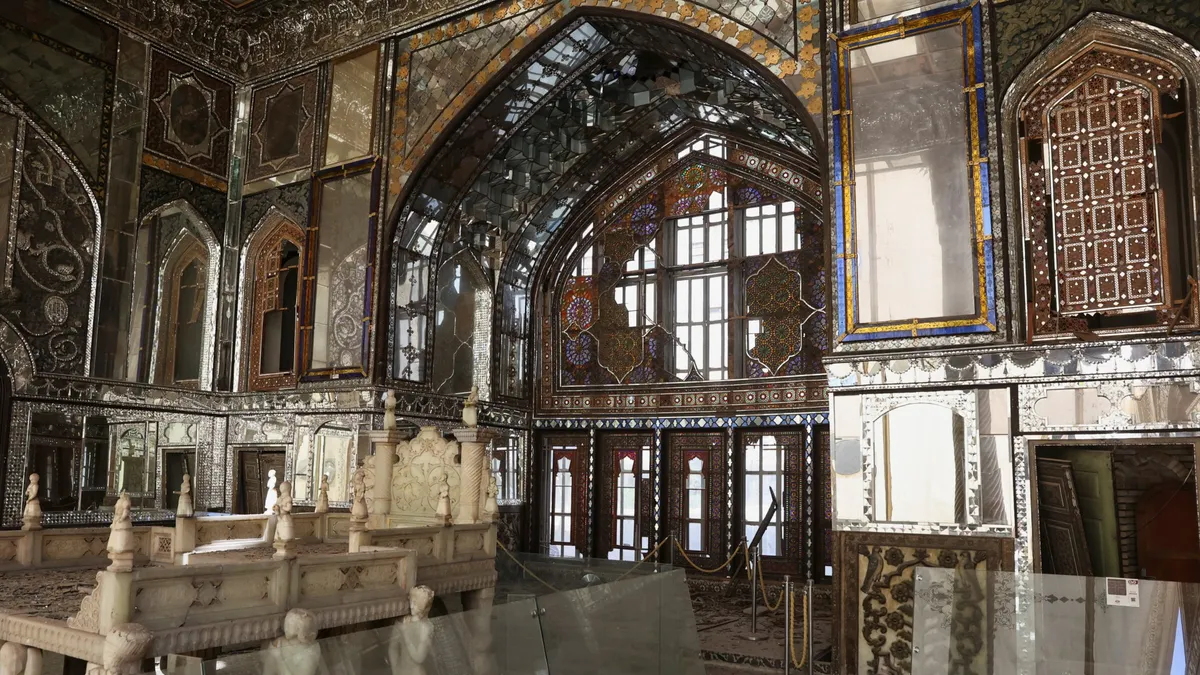
Civilian infrastructure strikes alter the domestic political constraint on Iranian escalation.
If strikes on hospitals and schools drive Iranian domestic casualty narratives, Iran's leadership faces pressure to demonstrate military response that matches perceived civilian harm — potentially expanding target set beyond US military bases to US-aligned civilian nodes (Saudi Aramco facilities, UAE ports, Qatar LNG terminals).
This converts a military-on-military retaliation cycle into a civilian-casualty-driven escalation spiral, forcing US Central Command to expand air defense and force protection posture across the Gulf, increasing operational tempo and logistics demand on Patriot, THAAD, and naval air defense systems.
This signals a widening strike pattern beyond military targets into dual-use and civilian infrastructure.
For defense contractors and program managers, this expands the scope of conflict accounting — casualty figures, humanitarian response costs, and international legal exposure now factor into risk models for ongoing operations.
For policy analysts, civilian infrastructure strikes create escalation pressure: Iran's retaliation calculus now includes both military losses (frigate sunk, air defenses neutralized, IRGC command compound struck) AND domestic civilian damage, which historically drives domestic political demand for disproportionate response.
Watch whether Iran's next strike wave targets US ally civilian infrastructure (Gulf power grids, desalination plants) in retaliation.
The article does not specify which strikes caused which damage, the scale of damage to each site, or whether strikes were precision misses or deliberate targeting.
Fault Lines
Strategic intelligence, synthesized daily — with a public track record. Every call graded against what actually happened.