Army Tilt-Rotor MV-75 Testing Delivery Timeline at Risk; Schedule Slip Possible
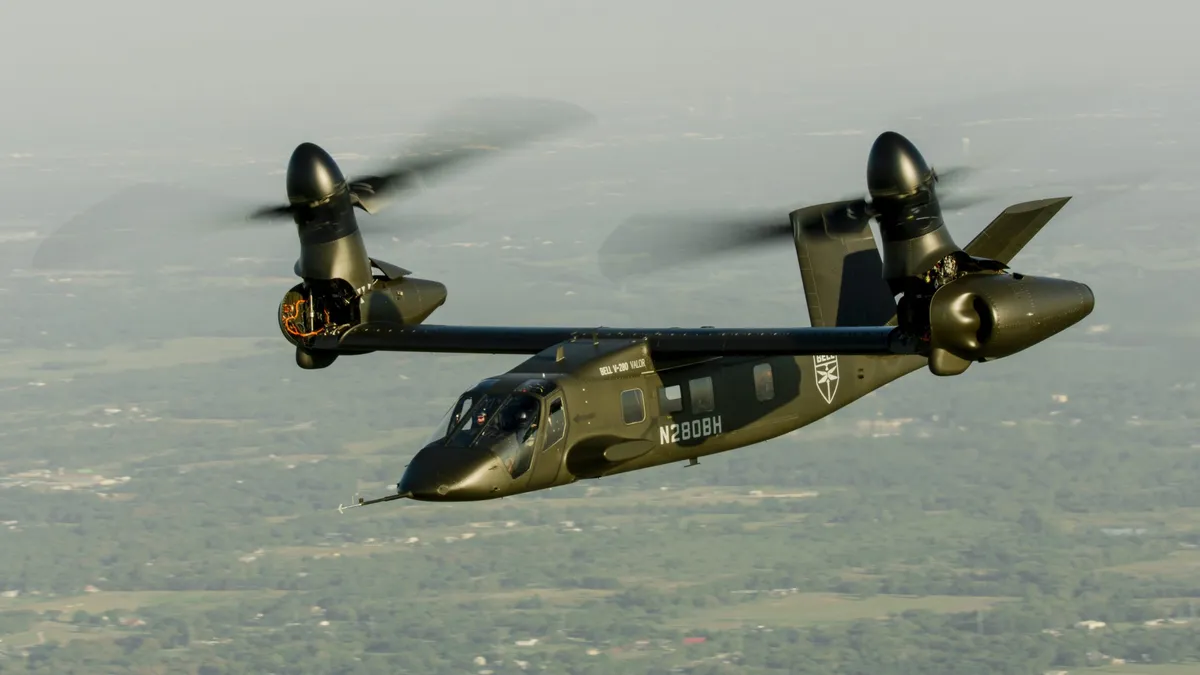
Active Middle East deployments (82nd Airborne to theater March 24) create immediate pressure on Army aviation readiness.
If the MV-75 slips further, the Army must either extend Black Hawk production (raising sustainment costs and delaying modernization) or deploy existing Black Hawk fleets into a region where Iran has demonstrated anti-helicopter capability (multiple strikes on Israeli and US assets over March 22-25).
Schedule delays in rotorcraft modernization directly compress the window for testing, qualification, and fielding before the platform must operate in contested airspace.
The MV-75 is intended to replace the UH-60 Black Hawk across Army aviation.
A slip in testing delivery delays operational assessment by months to over a year, pushing fielding timelines further into the 2030s and extending Black Hawk sustainment costs. This matters now because the 82nd Airborne and other units are actively deploying to the Middle East (as of March 24, 2026) — if the MV-75 remains unavailable, the Army continues flying legacy platforms into high-threat environments.
The statement signals internal confidence problems; Gill's framing of 'risk decisions' implies the program office is already considering descoping or schedule extension. Investors in rotorcraft supply chains (Bell, Collins Aerospace, Sikorsky suppliers) should monitor whether the Army opts for extended Black Hawk production runs or accelerated MV-75 investment to recover schedule.
The article does not specify what performance gaps exist, which development phase is causing the delay, or what 'risk decisions' the Army is considering (schedule slip, requirement reduction, budget increase, or cancellation).
Fault Lines
Strategic intelligence, synthesized daily — with a public track record. Every call graded against what actually happened.