Thales Wins Greece Frigate Modernization Contract; Hydra-Class Upgrade Scope Unspecified
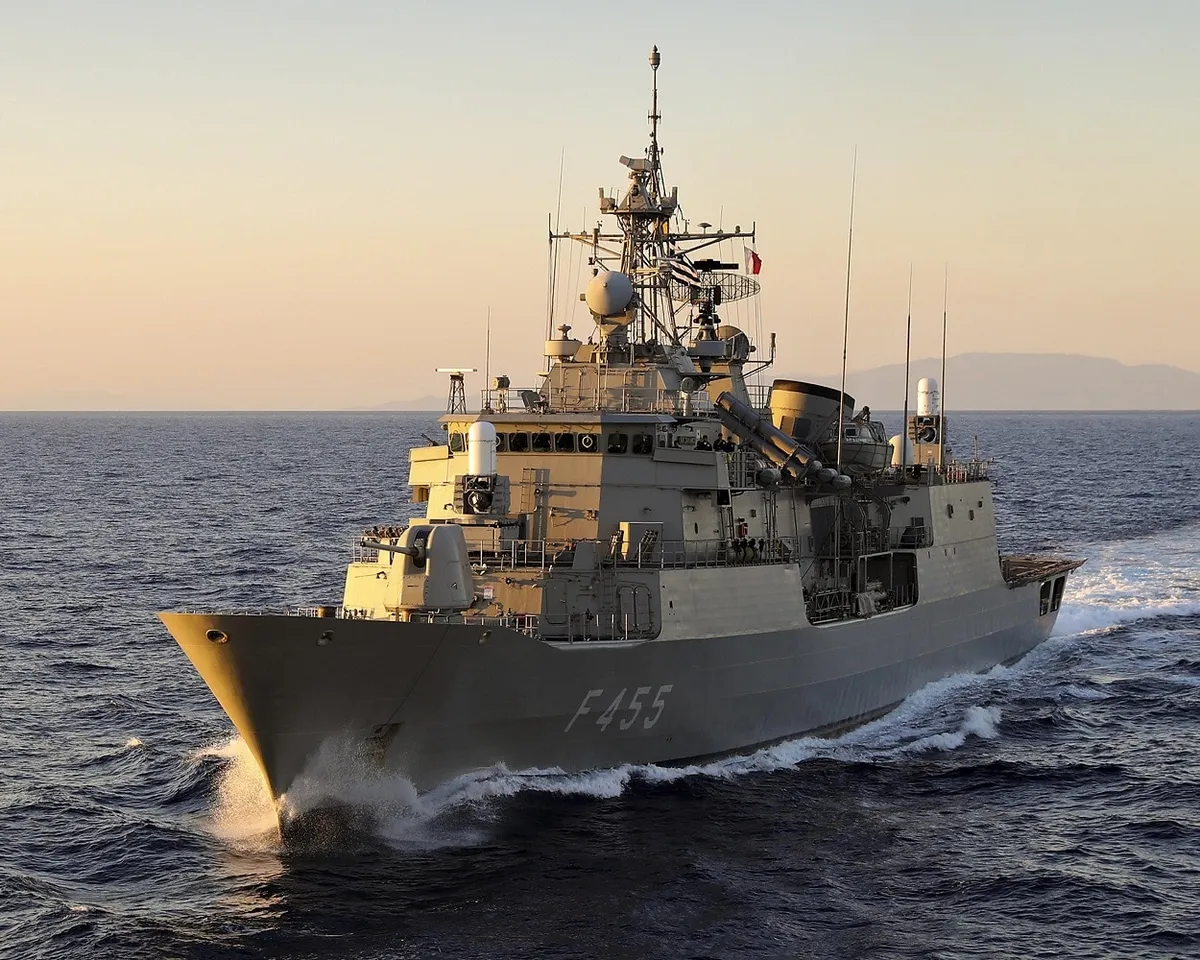
Greece operates four Hydra-class frigates (commissioned 1990-1992), making them among NATO's oldest active surface combatants in the Eastern Mediterranean. A modernization contract signals Greece is betting on frigate availability through the 2030s rather than pursuing new-build replacements — a constraint-driven choice given EU industrial capacity and Greek defense budget limits.
If the scope is limited to combat-system integration (Thales's core business), Athens may be deferring the costlier propulsion and hull-life decisions that would unlock true 2040+ service life.
Greece is accelerating allied frigate readiness in the Eastern Mediterranean at a moment when NATO is repositioning forces in response to Russian escalation in Ukraine and heightened Turkish-Greek tensions over Aegean airspace and maritime boundaries.
However, without contract value or scope details, the strategic weight of this procurement is impossible to assess — it could be a $200M combat-system refresh or a $1.2B hull-life extension. Watch whether the GDAEE releases a contract summary or whether Thales discloses value in investor filings.
What is the contract value, and does it include new combat systems (radar, fire control, anti-ship missiles) or primarily sustainment and integration work? How many Hydra-class hulls are included — all four (HYDRA, PSARA, KANARIS, NIKIFOROS), or a subset?
Fault Lines
Strategic intelligence, synthesized daily — with a public track record. Every call graded against what actually happened.