Lockheed F-35 AI system autonomously identifies radar emissions, compressing pilot decision cycle
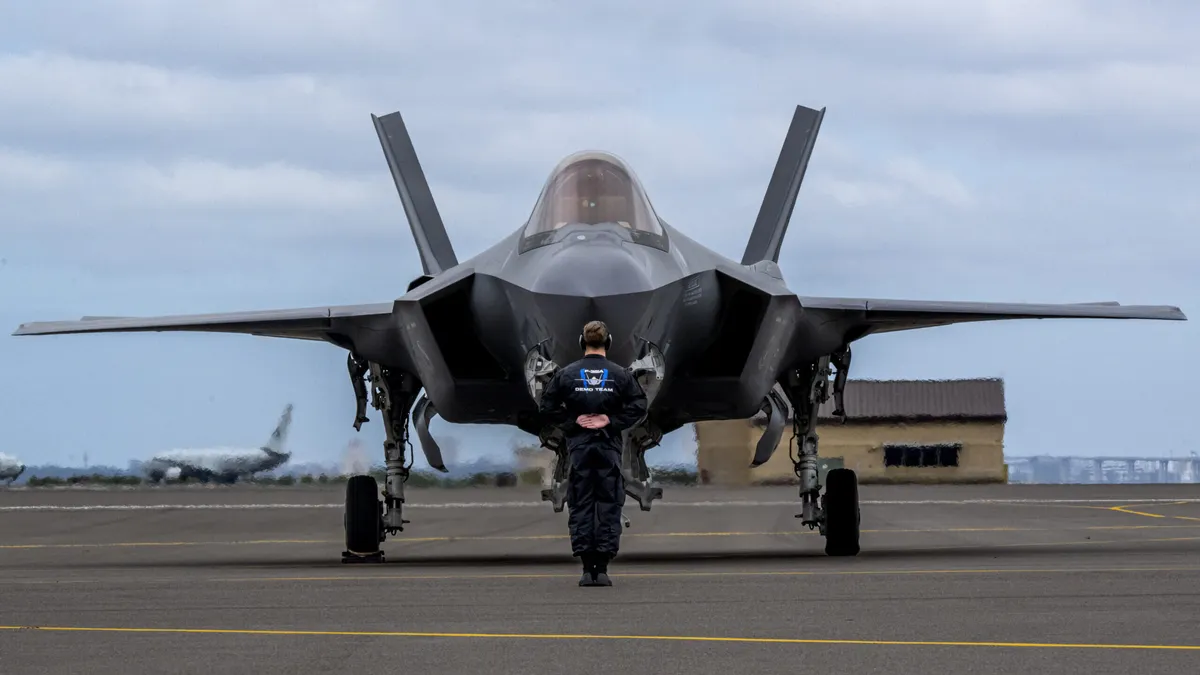
Autonomous emitter ID accelerates the pilot's sensor-to-shooter loop, which is the primary mechanism by which air superiority translates into first-shot kill probability in beyond-visual-range engagements.
If Lockheed can field this operationally before RTX's competing sensor packages mature, it shifts the F-35's competitive position in allied procurement decisions and sustainment contract negotiations — particularly with Indo-Pacific operators facing PLAAF fighter numbers.
The capability also raises the threshold for adversary electronic warfare effectiveness, forcing China and Russia to develop more sophisticated spoofing tactics, which in turn drives their sensor R&D budgets and procurement timelines.
If the system achieves operational maturity, it compresses the pilot's identification-to-action timeline in contested airspace, particularly against peer adversaries operating unfamiliar or spoofed emitters.
This directly affects air combat doctrine: faster classification reduces the window for adversary deception and increases first-engagement advantage. However, the article provides no evidence of performance metrics, false-positive rates, or adversary countermeasures — all critical to assessing whether this is a meaningful capability gain or a laboratory demonstration.
Lockheed's ability to field this ahead of RTX's competing F-35 sensor fusion efforts could shift sustainment contract leverage in the next Block update cycle, but only if the Air Force validates it operationally.
The article does not specify: (1) detection range or accuracy rates against real-world emitter types; (2) whether the system has been tested against adversary electronic warfare tactics; (3) integration pathway into Block 4 or later F-35 variants; (4) whether allied F-35 operators (UK, Japan, South...
Fault Lines
Strategic intelligence, synthesized daily — with a public track record. Every call graded against what actually happened.