Kurdish Exile Fighters in Iraq Mobilize Against Iran as Drone Campaign Intensifies
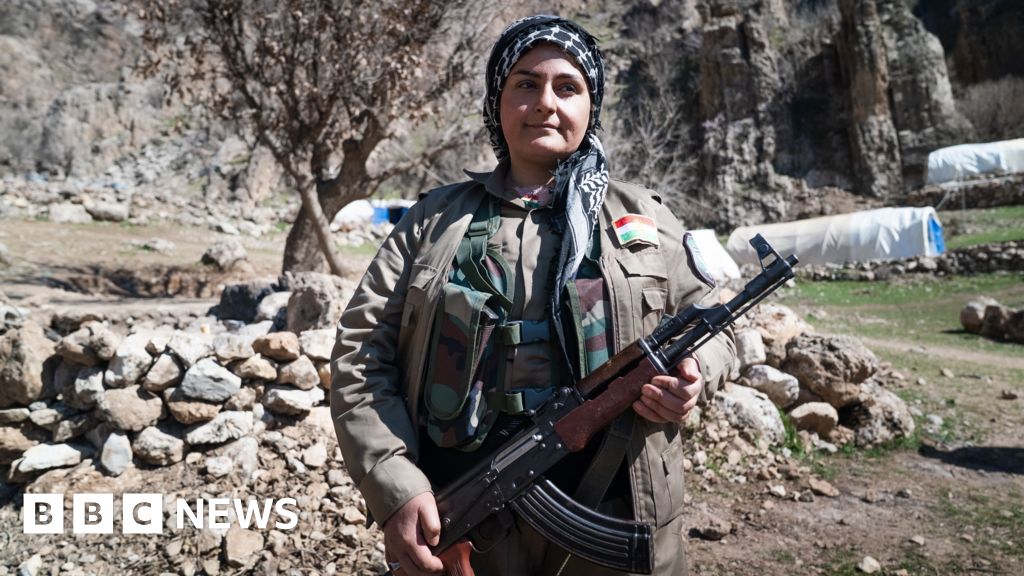
If Kurdish ground forces cross into Iran while the IRGC is committed to air operations against Israel and Saudi Arabia, Iran faces a two-front force allocation problem — air defense and offensive strikes require IRGC resources, but an internal ground threat requires internal security deployment.
This creates a window for either ground forces to achieve tactical surprise or for air operations to proceed with reduced air defense density. The outcome determines whether the conflict remains a regional air campaign or expands into internal Iranian instability, which reshapes both the duration of the conflict and the conditions under which Iran might negotiate.
This signals potential opening of a new ground-based front within Iran itself, distinct from the air campaign already underway.
If Kurdish exile forces attempt cross-border operations into Iranian territory, it converts the conflict from a primarily air-to-air and naval engagement into a multi-front ground campaign that could strain Iranian air defense and internal security forces simultaneously. The timing — during active Iranian strikes on multiple fronts — suggests coordination or at least opportunistic activation.
The strategic consequence depends on whether these fighters receive external support (US, Israeli, or Iraqi Kurdish backing) and whether Iran diverts air assets or IRGC ground forces to counter them, creating resource contention with ongoing regional defense.
The article does not identify which Kurdish faction this is, their estimated strength, their current location or proximity to the Iranian border, whether they have received explicit backing from the US or Israel, or what specific Iranian territory they intend to target.
Fault Lines
Strategic intelligence, synthesized daily — with a public track record. Every call graded against what actually happened.