USS Frank E. Peterson, USS Michael Murphy Begin Hormuz Mine Clearance as Iran Blockade Holds
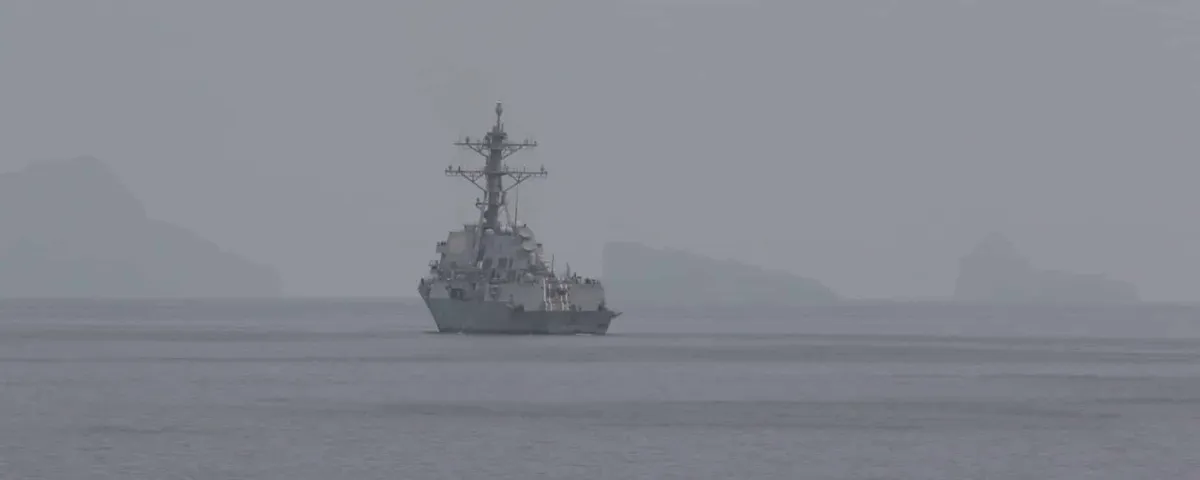
The mine clearance mission directly undermines the diplomatic track by signaling U.S. willingness to contest Iran's blockade militarily while negotiations are active.
If Iranian militias or IRGC assets respond to U.S. mine-clearing operations with strikes on the destroyers or renewed attacks on Saudi/UAE infrastructure, the ceasefire collapses and Vance's negotiating position weakens — Iran can claim the U.S. violated the terms by conducting military operations.
Conversely, if Iran tolerates clearance operations without escalation, it signals Tehran is willing to trade blockade leverage for diplomatic concessions, which would reshape what Witkoff and Kushner can demand on sanctions relief and Lebanon inclusion.
The mine clearance mission signals U.S. intent to restore Hormuz traffic despite the nominal ceasefire, directly challenging Iran's blockade without formally ending it.
If Iran interprets clearance operations as ceasefire violation, it removes a critical off-ramp for de-escalation during active Vance-led diplomatic talks in Islamabad — the stated diplomatic track now competes with active military operations in the same theater.
For shipping and energy markets, clearance success determines whether the 600k bpd Saudi production loss and 700k bpd East-West pipeline cuts become permanent supply shocks or temporary disruptions; failure or Iranian interference extends the blockade and locks in higher oil prices.
For naval readiness, this is the first sustained mine-clearing operation in a contested strait since 2019 — it tests DDG-121 and DDG-112 operational tempo and exposes both ships to Iranian asymmetric response while diplomatic envoys are mid-negotiation.
The article does not specify the timeline for clearance completion, the extent of the minefield (number and type of mines Iran deployed), or whether the operation is coordinated with or known to Iranian negotiators in Islamabad.
Fault Lines
Strategic intelligence, synthesized daily — with a public track record. Every call graded against what actually happened.