CSAF Orders Air Force Readiness Surge for Iran Ops; Signals Multi-Month Commitment
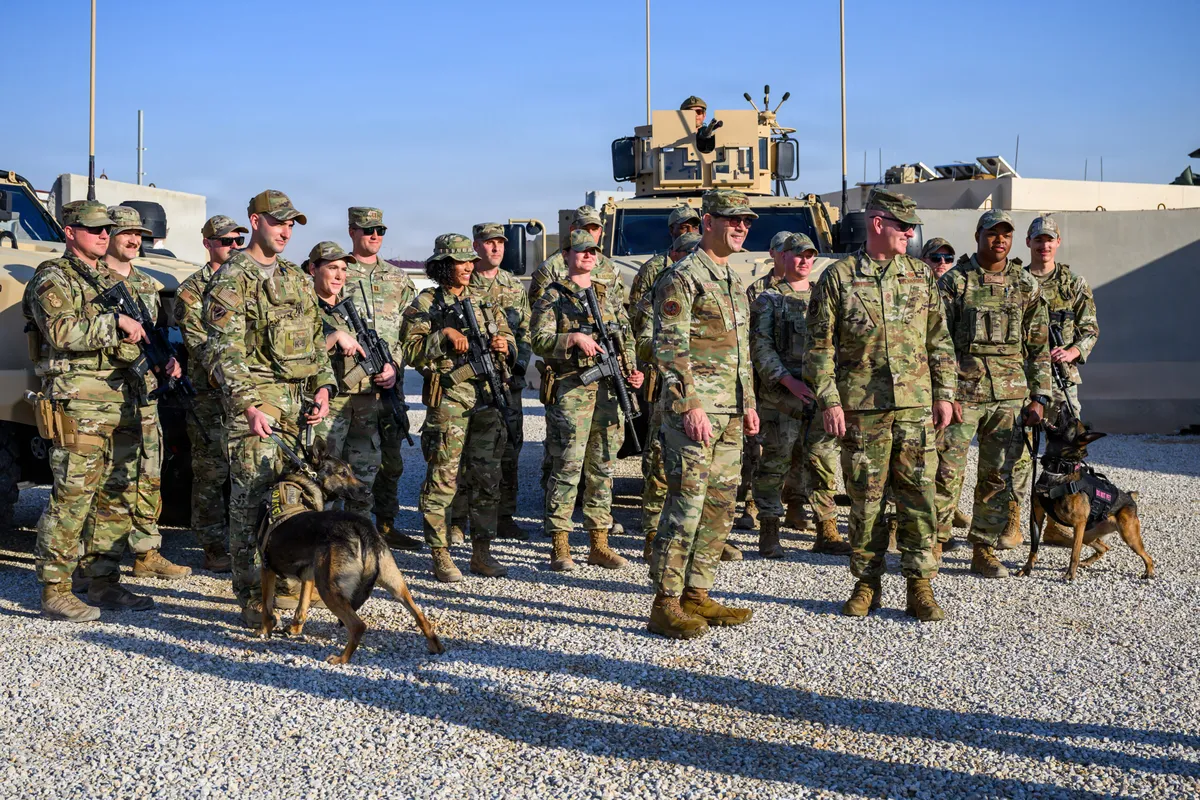
Wilsbach's readiness directive converts Trump's open-ended war posture into an Air Force workforce planning problem. If operations sustain for six months (Iran's stated capacity), the Air Force must rotate pilots, maintainers, and support personnel to avoid burnout-driven readiness collapse—forcing either reserve activation, extended deployment windows, or both.
This creates a hard constraint on other Air Force missions (Indo-Pacific training, NATO rotations, homeland defense) and will surface in Q2 budget reprogramming requests when MAJCOM commanders request relief from competing priorities.
This is an internal force management signal, not a strategic shift.
Wilsbach's letter confirms the Air Force expects sustained operations beyond the initial strike phase—consistent with Iran's March 8 claim of six-month war capacity and Trump's March 7 statement that negotiations are off the table. For program managers: expect sustained demand on air combat, ISR, and logistics platforms through at least Q2 2026.
For investors: this signals no imminent off-ramp to the conflict, supporting continued utilization of existing inventory (F-15E, F-16, KC-135 sustainment) rather than new procurement urgency. The real constraint is personnel rotation and maintenance pipeline capacity, not inventory. Watch for Air Force Reserve and Air National Guard activation notices—those are the binding signal of duration.
The article does not specify whether the letter accompanied new deployment orders, reserve activation, or extended maintenance contracts. It does not clarify whether 'readiness' refers to forward-deployed forces, CONUS-based surge capacity, or both.
Fault Lines
Strategic intelligence, synthesized daily — with a public track record. Every call graded against what actually happened.