Pentagon Seeks $1.85B for Japanese and South Korean Warship Procurement to Ease US Naval Industrial Bottleneck
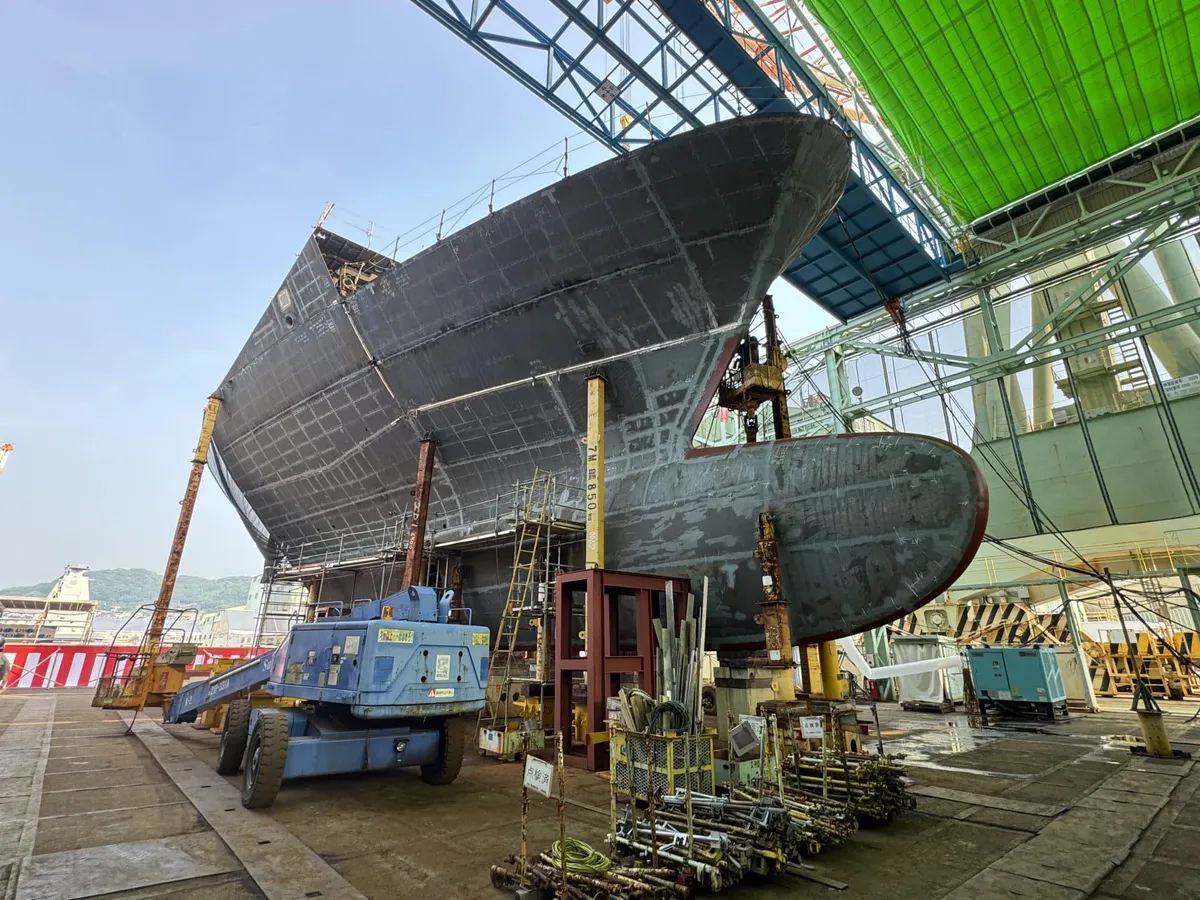
If Congress approves this, it creates a two-tier procurement model: US yards build the high-end DDG-51s and SSNs (margin-intensive, long lead times), while allies build lower-complexity surface combatants or logistics vessels (higher volume, shorter cycle). This works only if US yards don't see foreign procurement as a threat to their backlog — meaning NAVSEA has to guarantee domestic yards a floor of orders.
Hyundai and JMU will undercut US labor costs by 20-30%, which means the real constraint isn't money, it's whether US shipyard unions and the Hill will accept it. Watch the Senate Armed Services Committee markup for language that conditions foreign procurement on domestic capacity expansion timelines.
Newport News and Bath Iron Works face a production ceiling that no amount of appropriation can breach in the near term — both yards are committed through 2029 and running 18-month delivery slips on DDG-51s.
If the Pentagon commits $1.85B to foreign yards now, it signals that NAVSEA has internally concluded the US cannot meet its own force structure targets using domestic capacity alone.
This forces three immediate decisions: (1) Does Congress approve foreign procurement, or does it demand a domestic surge that requires new greenfield investment ($3-4B)? (2) Which allied yards get selected — Hyundai Heavy Industries (South Korea), Japan Marine United, or both? (3) What vessel class: FFG-62 Constellation-derivatives, or smaller corvettes/OPVs that don't compete with US yards?
The FY27 markup (likely July-August 2026) will expose whether this is a genuine capacity solution or political theater to avoid asking Congress for domestic expansion funding.
Does the $1.85B cover full-rate production of a specific ship class, or is this a pilot buy for 1-2 hulls? The article doesn't specify which yard or vessel type is being considered — that detail determines whether this relieves the actual bottleneck or just offloads overflow.
Fault Lines
Strategic intelligence, synthesized daily — with a public track record. Every call graded against what actually happened.