Germany Commits Hundreds of Patriot Missiles to Ukraine; Expands Deep-Strike Drone Co-Development
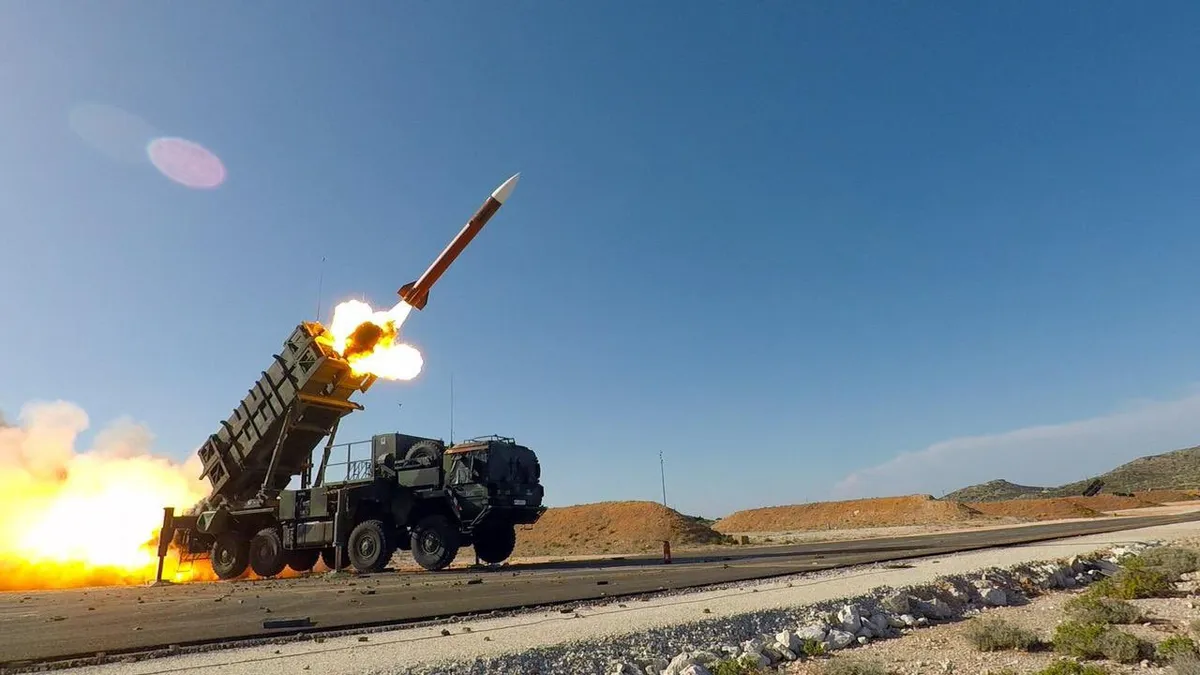
Germany's shift from consumable aid to co-production with Ukraine forces a decision on Raytheon Patriot capacity allocation.
If the 'hundreds' of missiles are sourced from new US production rather than drawdown, this competes directly against Pacific Command's Taiwan contingency air defense requirements and allied NATO inventory replenishment—creating a procurement arbitrage where policy (support Ukraine) collides with readiness (equip Taiwan and Poland).
The drone co-development is the second mechanism: it creates a German-Ukrainian defense industrial relationship independent of NATO frameworks, reducing Germany's reliance on US platform ecosystems and signaling to Beijing and Moscow that European allies are building autonomous deterrence capacity outside the US security umbrella.
This signals a structural pivot in German defense policy from aid-as-temporary-support to co-production and long-term capability development with Ukraine.
The Patriot commitment matters operationally—Ukraine's air defense density directly constrains Russian aviation operations—but the co-development of mid-range drones is the more consequential signal: it locks Germany into Ukrainian weapons design and sustainment for years, creating domestic political friction if the conflict trajectory shifts.
The timing, during an active Hormuz blockade that is fracturing NATO cohesion (Sweden signaled decoupling on April 14, NATO allies rejected the blockade on April 13), suggests Germany is hedging against US strategic reliability by building independent allied partnerships.
This also creates procurement pressure: if Germany is funding Patriot production for Ukraine, it competes for Raytheon output against US Air Defense modernization timelines and allied backlog.
The article does not specify: (1) how many Patriot missiles 'hundreds' represents or the production source (US inventory drawdown vs. new manufacture); (2) the timeline and cost of the drone co-development; (3) whether this commitment is conditional on Ukraine's territorial control or political stat...
Fault Lines
Strategic intelligence, synthesized daily — with a public track record. Every call graded against what actually happened.