11th Airborne Arctic Exercise Signals Accelerating Cold-Region Force Posture Shift
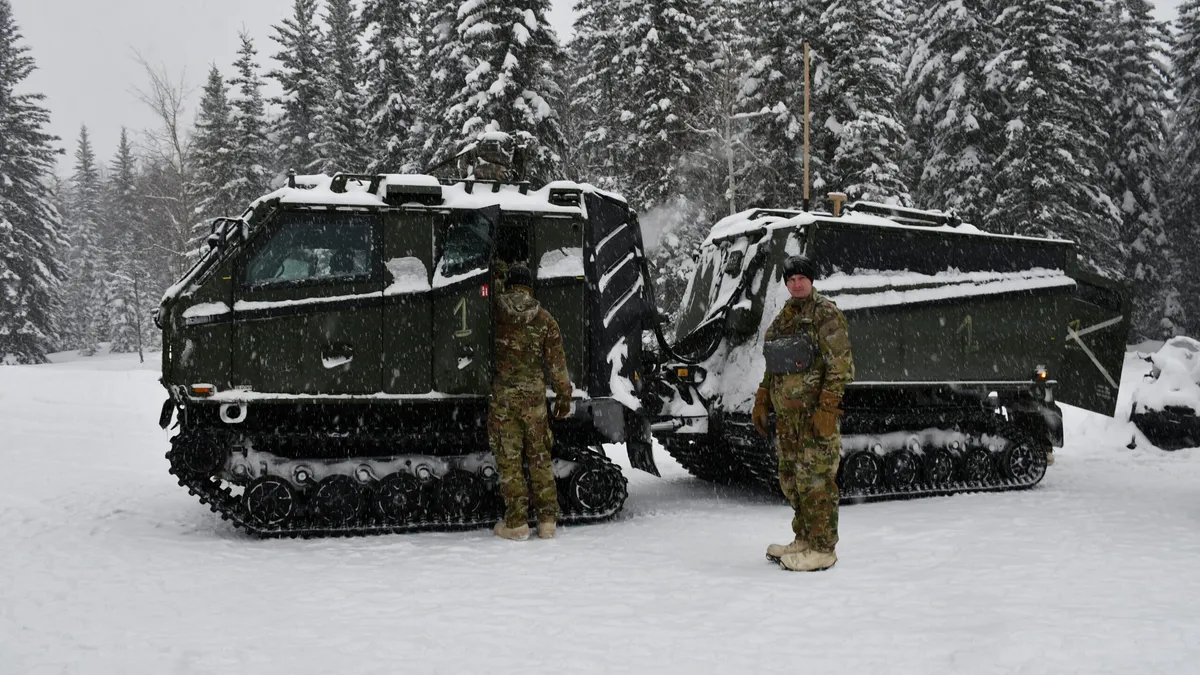
Sustained Arctic exercise tempo (rotation-based, not ad-hoc) forces cold-weather equipment procurement into the baseline budget cycle rather than supplemental requests. This anchors demand for specialized platforms — cold-hardened vehicles, Arctic-rated logistics, extended-range rotorcraft — in recurring budget lines, shifting supplier capital planning from project-based to platform-based.
If the exercise identifies critical gaps (e.g., cold-weather ammunition, fuel additives, or UAV performance degradation), those gaps will surface in Army materiel requirements reviews, potentially creating new contract opportunities for Oshkosh, General Dynamics Land Systems, or emerging cold-tech vendors.
This exercise confirms the Army is operationalizing Arctic readiness as a standing requirement, not a contingency.
The 11th Airborne's primary mission is now Arctic-focused, which has implications for force structure, equipment procurement, and training pipeline capacity.
The presence of multinational participants suggests allied burden-sharing in Arctic deterrence, reducing sole U.S. cost exposure — but the article does not identify which allies participated or their contribution levels, making it impossible to assess whether this represents genuine capability distribution or symbolic presence.
The article does not specify which multinational partners participated, what equipment was tested, whether this rotation identified capability gaps, or how findings will shape FY27-28 Arctic procurement priorities.
Fault Lines
Strategic intelligence, synthesized daily — with a public track record. Every call graded against what actually happened.