Stimson Analysis on Iranian Minelaying Tactics Arrives as Hormuz Closure Enters Day Two
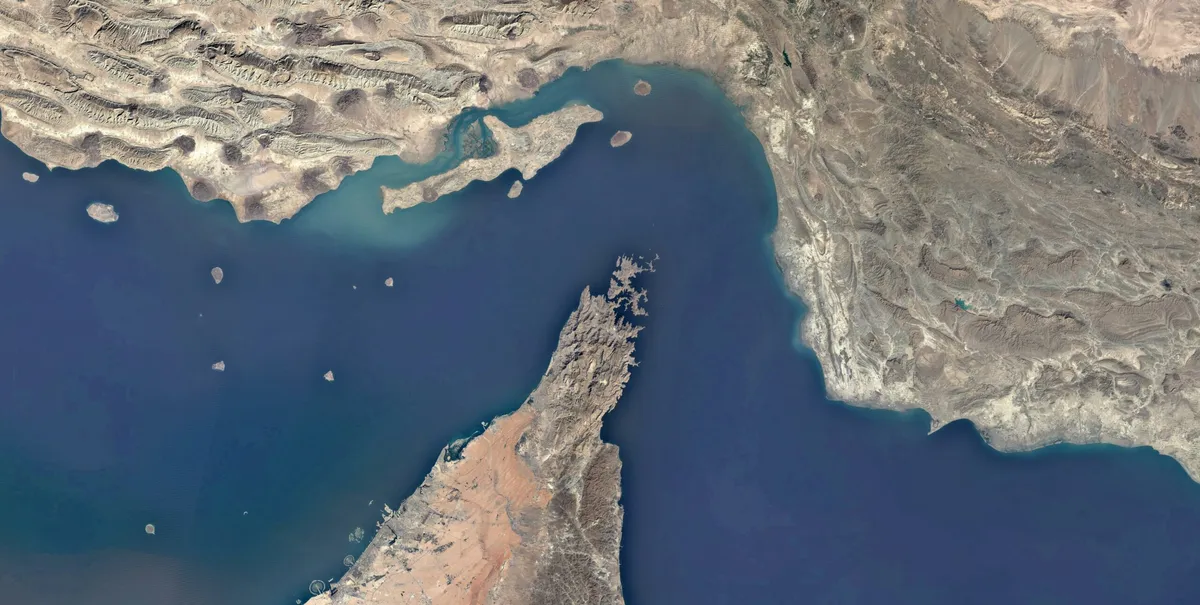
The minelaying threat directly constrains naval minesweeping procurement and forward-deployed vessel design. If Iran maintains Hormuz closure and deploys mines, the U.S. Navy's ability to sustain operations depends on mine countermeasures (MCM) assets — currently limited in the Gulf.
This forces a procurement decision: accelerate Mk 18 Mod 2 drone-based mine detection or accept extended transit times and higher vessel attrition. Concurrently, the closure blocks 35+ million barrels per day of oil transit, which extends the Trump administration's 5-day diplomatic window and creates pressure to resolve the conflict before minelaying becomes irreversible.
This is a think tank's attempt to explain a tactic already in play.
Iran has already closed Hormuz and threatened further escalation; the Stimson analysis arrives after the fact, not before. For program managers and procurement officers, the signal is that minelaying is now the assumed baseline threat in the Persian Gulf — not a hypothetical.
This shifts naval force design assumptions: minesweeping capacity, drone-based detection, and shallow-water vessel survivability move from contingency to requirement. The analysis provides no new intelligence on Iranian mine types, deployment patterns, or quantities, so its value is in confirming that defense planners should assume minelaying is active doctrine, not a bluff.
The article does not specify which Iranian mine types are in use, their deployment locations within Hormuz, current mine density estimates, or whether Iran has already begun active minelaying operations beyond threats.
Fault Lines
Strategic intelligence, synthesized daily — with a public track record. Every call graded against what actually happened.