SDA Satellite Constellation Delays 6+ Months; Missile Tracking Coverage Gap Widens During Active Iran Conflict
Incomplete sensor coverage during active conflict forces tactical commanders to extend engagement timelines and increases reliance on manned ISR platforms (U-2, RC-135) that face higher attrition risk in contested airspace.
This creates a procurement cascade: if legacy systems sustain losses or exhaust surge capacity before SDA constellation reaches full operational status, USAF will face pressure to accelerate replacement buys or extend sustainment contracts for aging platforms — shifting capital from next-generation procurement into legacy support.
The 6+ month slip also compresses the window for constellation maturation before potential Taiwan contingency planning cycles in FY27, forcing Pacific Command to assume degraded sensor availability in force design.
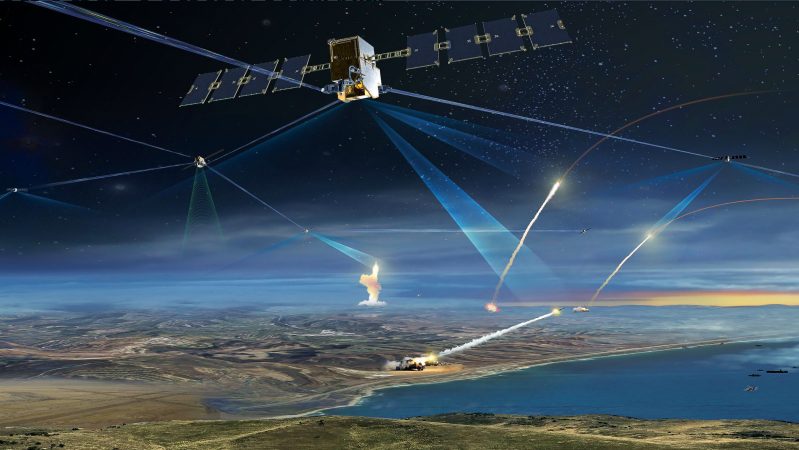
SDA's constellation is architected to provide real-time missile warning and targeting data to US and allied forces during peer conflict.
The current Iran campaign (active since March 3) is occurring WITHOUT full constellation coverage — forcing reliance on legacy space assets and degraded sensor-to-shooter timelines. This delay exposes a critical vulnerability: the very conflict scenario SDA was designed for is unfolding while the system remains incomplete.
Supply chain and vendor technical issues are not one-time slips; they suggest systemic manufacturing capacity or design problems that will recur across remaining batches. Vendors affected should be named in follow-up reporting to assess whether the same constraints affect other proliferated architecture programs (e.g., NDSA, RSSC).
The article does not identify which vendor(s) are experiencing technical issues, the specific nature of those issues, or whether they affect other government satellite programs; without this, we cannot assess whether this is a SDA-specific procurement problem or a broader industrial base constraint.
Fault Lines
Strategic intelligence, synthesized daily — with a public track record. Every call graded against what actually happened.