Spanish Precision-Guidance Kit Converts Soviet Grad Rockets to Sub-3m Accuracy Weapons for Ukraine
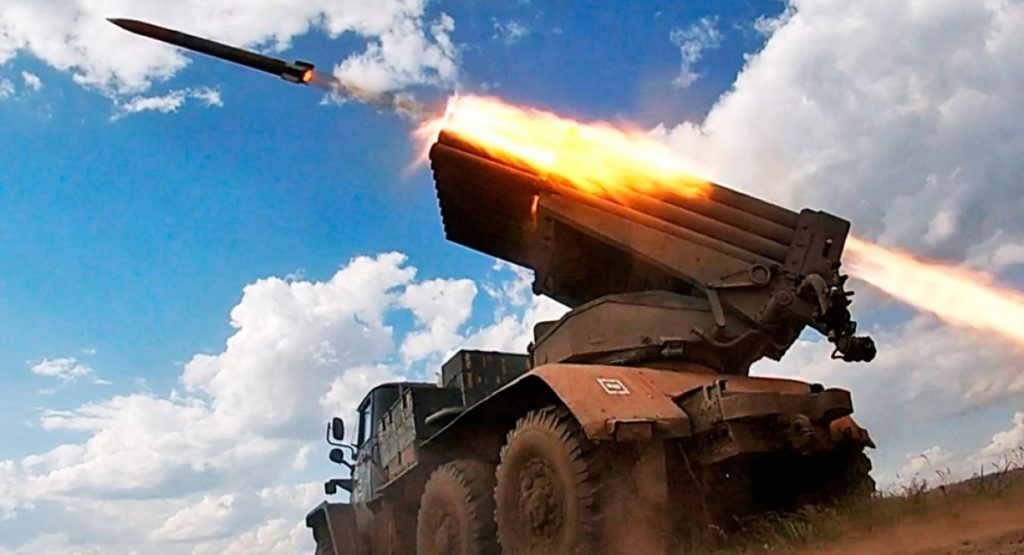
If the kit achieves 18-24 unit brigade-level deployment by late 2026, it demonstrates that allied nations can iterate on legacy platforms faster than new procurement timelines allow — a model relevant to British, French, and Polish Grad inventories. This also suggests Spain's defense industrial base is finding niches in precision-guidance retrofits where it can compete without matching US/RTX manufacturing scale.
The EW-resistance claim is the operative constraint: if validated operationally, it addresses a specific vulnerability that Russian EW has exploited against Ukrainian MLRS barrages.
Ukraine's artillery inventory is dominated by 1960s-era Soviet platforms with marginal accuracy; precision guidance kits extend the operational life of these systems without requiring new procurement cycles.
The sub-3m accuracy under EW conditions closes a gap that has forced Ukrainian forces to mass fires for effect — a costly substitution when munitions availability is the binding constraint. Watch whether this kit reaches production volumes sufficient to equip a full brigade (18-24 launchers) by Q4 2026, which would signal whether Spain can sustain allied munitions innovation outside traditional NATO supply chains.
What are the actual production numbers and delivery timeline? The article doesn't specify how many kits have been manufactured, whether they're in serial production, or when Ukraine expects to field them operationally.
Fault Lines
Strategic intelligence, synthesized daily — with a public track record. Every call graded against what actually happened.