HudBay-Arizona Sonoran Merger Creates North America's Third-Largest Copper District
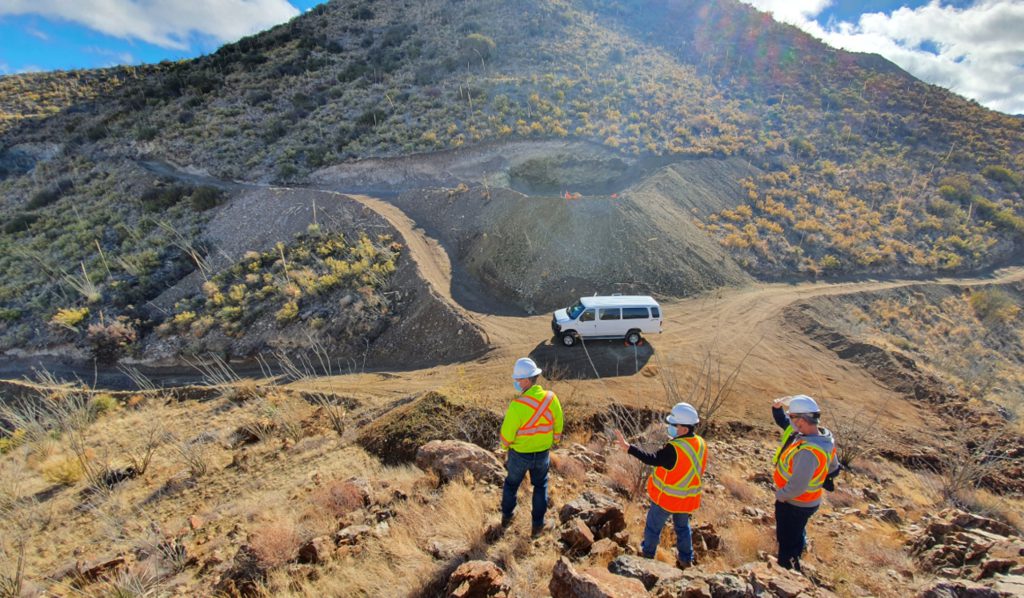
Copper supply concentration in Arizona reduces geographic diversification of a defense-critical mineral but may improve operational efficiency if the merged entity achieves faster permitting or lower unit costs.
If the combined project reaches production ahead of current timelines, it could ease copper availability for defense electrification; if delayed by permitting, it narrows the window for domestic supply to offset import dependence.
The deal does not directly engage export controls or geopolitical friction — it is a domestic consolidation — but production capacity and timeline matter to DoD supply chain resilience planning.
This merger consolidates two adjacent Arizona copper assets under single operational control, reducing fragmentation in a critical minerals supply chain.
Copper demand from defense electrification (naval propulsion, directed energy systems, advanced radar) and grid modernization creates long-term offtake pressure. The combined entity's scale may accelerate permitting timelines or enable economies of scale in processing — but the article does not specify production capacity, timeline to first ore, or whether either project faces permitting delays.
Without those details, the operational impact on U.S. copper supply remains unclear.
The article does not disclose: (1) current production timelines for either Cactus or Copper World, (2) whether the merged entity intends to accelerate development or integrate operations, (3) any existing offtake agreements with defense contractors or government stockpile programs, (4) outstanding p...
Fault Lines
Strategic intelligence, synthesized daily — with a public track record. Every call graded against what actually happened.